TOYOTA 72072149 Hybrid Electric Power Steering Motor Column 040506070809 1.5L
fits model: Prius. make: Toyota. year: 2004–2009.
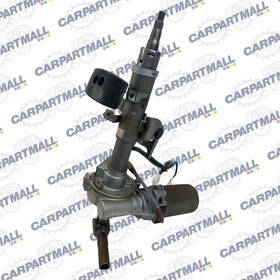
( Manufacturer Part Number: 72072149 ), ( Removed From: 2007 Toyota Prius Base Hatchback 4-dr 1.5l L4 Dohc 16v Hybrid A/t ), ( Fits: 2004-2009 Toyota Prius ), ( Color: Silver ), ( Items Included: As Shown ), ( Placement On Vehicle: Front, Left ), ( Transmission Type: Continuously Variable Transmission ), ( Type: Steering Column ), ( Manufacturer Warranty: Other ), ( Engine Size: 1.5l L4 Dohc 16v Hybrid ), ( Features: Durable ), ( Id: E-a165382 C17 Jc-lr X ), ( Country Of Origin: Japan ), ( UPC: 040506070809 )
Review TOYOTA 1.5l Hybrid Electric Power Steering Motor Column Assy Oem fits PRIUS 2004–2009
The **Toyota 72072149 Electric Power Steering (EPS) Motor and Column Assembly (2004 2009 1.5L Prius)** is a precision-engineered component designed to deliver seamless, driver-assist steering control in Toyota s pioneering hybrid vehicle. This high-performance unit integrates a compact yet robust electric motor with a column-mounted steering mechanism, eliminating the need for hydraulic assistance while maintaining the responsiveness and smoothness expected in Toyota s legendary hybrid systems. The EPS motor operates through a sophisticated brushless DC design, ensuring efficient power delivery with minimal energy consumption critical for optimizing the Prius s hybrid efficiency. The column itself is crafted from durable, corrosion-resistant materials, featuring a sleek, ergonomic shape that aligns with the Prius s signature minimalist yet functional aesthetic. This assembly is engineered to work in tandem with the vehicle s hybrid powertrain, providing precise torque modulation and adaptive feedback, enhancing both comfort and control during urban driving, highway maneuvers, and tight parking scenarios. Built to Toyota s exacting standards, this component is fully compatible with the 2004 through 2009 model years of the 1.5L Prius, ensuring a perfect fit for restoration, replacement, or upgrade projects. Whether restoring a classic Prius to its original specifications or upgrading an existing system for improved performance, this EPS motor and column assembly represents a reliable, high-quality solution that embodies Toyota s commitment to innovation and driver-centric design.
### **Pros and Cons of Buying a 2004-2009 Toyota Prius (1.5L Hybrid) with a Faulty Electric Power Steering (EPS) Motor/Column**
#### **Pros**
1. **Reliability of the Hybrid System** Toyota s hybrid powertrain in this generation is well-engineered and generally durable. The nickel-metal hydride (NiMH) battery pack and electric motor are robust, especially when maintained properly.
2. **Fuel Efficiency** The Prius remains one of the most fuel-efficient mass-produced vehicles of its era, averaging **50-60 MPG** in city driving. This makes it cost-effective for daily commuting and long-distance travel.
3. **Low Operating Costs** Beyond fuel, maintenance expenses (oil changes, brake wear, etc.) are typically lower than conventional cars due to regenerative braking reducing wear on the brake system.
4. **Resale Value** Toyota Prius models hold their value well, even with higher mileage, due to strong brand reputation and hybrid demand.
5. **Space and Practicality** The Prius offers a spacious interior for its size, with a comfortable ride and good cargo capacity (especially with the rear seats folded).
6. **Toyota s Warranty Coverage** Some 2004-2009 Prius models may still have **unexpired hybrid battery warranties** (originally 10 years/100,000 miles), which could offset battery replacement costs if needed.
7. **Electric Power Steering (EPS) Advantages** While the EPS motor/column may be failing, the system itself is generally smoother and more responsive than hydraulic steering, reducing strain on the driver.
8. **Parts Availability** As a well-known model, replacement parts (including EPS motors, columns, and hybrid components) are widely available and often affordable.
9. **Environmental Appeal** For eco-conscious buyers, the Prius s lower emissions make it a more sustainable choice compared to gas-only vehicles.
10. **Potential for Cost-Effective Repairs** If the EPS issue is isolated to the motor or column, repairs can sometimes be done for **$300 $800**, depending on labor and part costs.
---
#### **Cons**
1. **Electric Power Steering (EPS) Reliability Issues**
- The **EPS motor or column failure** is a known problem in some 2004-2009 Prius models, often caused by **electrical grease degradation, wiring issues, or motor burnout**.
- A failing EPS can lead to **hard steering, intermittent power loss, or complete loss of assist**, making the car difficult or unsafe to drive.
- Replacement costs can range from **$500 $1,500 **, depending on whether the motor, column, or wiring needs replacement.
2. **Battery Degradation Over Time**
- NiMH batteries in older Prius models degrade after **100,000 150,000 miles**, leading to reduced range and potential failure.
- Replacement costs are high (**$2,500 $4,500**), though some warranties may cover it.
3. **Infotainment and Electronics Limitations**
- The **2004-2009 Prius lacks modern tech** (no touchscreen, limited Bluetooth, poor audio system). Navigation is either basic or nonexistent.
- Software glitches (e.g., hybrid system errors, dashboard malfunctions) can be frustrating to troubleshoot.
4. **Rust and Corrosion Concerns**
- Some models, especially those driven in snowy or salted regions, may develop **underbody rust**, which can lead to structural issues over time.
5. **Hybrid-Specific Maintenance Costs**
- While generally reliable, hybrid systems require **specialized diagnostics** (e.g., hybrid-specific scan tools) and **high-quality replacement parts** to avoid premature failures.
6. **Resale Depreciation**
- While Prius resale value is strong, newer hybrid models (e.g., 2010 ) offer better tech and efficiency, making older models less desirable to some buyers.
7. **Potential for Hidden Mechanical Issues**
- **Transmission wear** (especially in automatic models) and **suspension components** (struts, bushings) may need replacement as the car ages.
- **Coolant leaks** from the hybrid cooling system can occur, requiring attention.
8. **Limited Aftermarket Support**
- While parts are available, finding **specialized hybrid mechanics** can be difficult in some areas, increasing repair time and cost.
9. **Driving Experience Limitations**
- The **regenerative braking can feel abrupt** to some drivers.
- The **hybrid system s torque delivery** may not feel as smooth as modern CVT-based hybrids.
10. **Environmental Concerns with Battery Disposal**
- If the battery eventually fails, **recycling or proper disposal** is required, adding an extra consideration for long-term ownership.
---
### **Ending Conclusion**
The **2004-2009 Toyota Prius (1.5L hybrid)** remains an excellent choice for buyers prioritizing **fuel efficiency, reliability, and low operating costs**. However, the **electric power steering (EPS) motor/column failure** is a significant drawback that can turn a great car into a costly hassle if not addressed promptly.
**If the EPS issue is confirmed and the repair is within budget (under $1,000), the Prius is still a strong buy** especially for those who value long-term savings on fuel and maintenance. The hybrid system is robust, and with proper care, the car can last well beyond 200,000 miles.
**If the EPS problem is severe or the owner is unwilling to invest in repairs, the Prius may not be the best long-term purchase**, particularly if newer hybrid models (e.g., 2010 Prius, Toyota Corolla Hybrid) offer better tech and reliability for a similar price.
---
### **Recommendation**
1. **Get a Professional Inspection** Before purchasing, have a **hybrid-specialized mechanic** diagnose the EPS motor/column and check the battery health. Request a **pre-purchase inspection report** if possible.
2. **Budget for EPS Repairs** If the EPS motor or column is failing, **factor in $500 $1,500** for repairs. If the cost is prohibitive, consider alternative used hybrids with fewer known issues.
3. **Check Battery Warranty Status** Verify if the **original hybrid battery warranty** is still active (Toyota extended it to **15 years/150,000 miles** in some cases). If so, this could save thousands in future costs.
4. **Consider a Newer Model if Possible** If budget allows, a **2010 Prius or Toyota Corolla Hybrid** offers **better tech, improved reliability, and lower long-term maintenance risks** for a similar price.
5. **Buy with Caution if EPS is Already Fixed** If the seller has already replaced the EPS motor/column, ask for **receipts and proof of work**. Ensure the repair was done by a reputable shop.
6. **Prioritize Low-Mileage Examples** A **Prius with under 100,000 miles** will have a longer lifespan before major hybrid or battery issues arise.
**Final Verdict:**- **Buy if:** You can afford EPS repairs, the battery is in good condition, and you prioritize fuel savings over modern tech.
- **Avoid if:** The EPS issue is severe, the battery is degraded, or you prefer a newer hybrid with fewer known weaknesses.
For most buyers, the **2004-2009 Prius is a solid used purchase with proper due diligence**, but it s not without its quirks especially the EPS motor/column. Weigh the repair costs against the long-term savings to make an informed decision.
Details:
Review all photos carefully to better assess cosmetic condition, 100% PERFECT WORKING ORDER. Used items may show signs of wear. Tested Quality. They are 100% original OEM products.
THANKS IN ADVANCE, Capitally. 04-09 TOYOTA PRIUS 1.5L HYBRID ELECTRIC POWER STEERING MOTOR COLUMN ASSY, Part Number 72072149, Genuine OEM. 2004 2009 Toyota Prius. Pre-Owned Part.
part #: 72072149 prices
- $20.00-$144.84
specifications steeringwheelsiiz:
- for models: Prius
- for makes: Toyota
- for years: 2004-2009
- mpn: 72072149
- removed from: 2007 Toyota Prius Base Hatchback 4-dr 1.5l L4 Dohc 16v Hybrid A/t
- fits: 2004-2009 Toyota Prius
- color: Silver
- items included: As Shown
- placement on vehicle: Front, Left
- transmission type: Continuously Variable Transmission
- type: Steering Column
- manufacturer warranty: Other
- engine size: 1.5l L4 Dohc 16v Hybrid
- features: Durable
- id: E-a165382 C17 Jc-lr X
- country of origin: Japan
- upc: 040506070809
seller steeringwheelsiiz:
- rating: 99.8%
- # reviews: 26919
- city: Westerville, Ohio
returns steeringwheelsiiz:
- paid by: Seller
- time: 30 Days
- policy: Returns Accepted
offer steeringwheelsiiz:
- options: Ship-to-home
- availability: In Stock
- sold: 0
- best offers: True
- started: March 11, 2026
- quantity: 1
general steeringwheelsiiz:
- condition: Used
- Car Truck Parts Accessories > Interior Parts Accessories > Steering Wheels Horn Buttons
payments steeringwheelsiiz:
- credit card: Diners-club
- wallet: Apple-pay
- other
shipping steeringwheelsiiz:
- type: Fixed
- cost: $0.00
- service: USPS Ground Advantage, UPS Ground Saver
- transit: 3-7 Days
- carrier: USPS, UPS
- class: Standard, Economy
Toyota 72072149 Is Similar To:
- Zl802swh144 185584590lkq Toyota Camry Driver Steering Wheel Oem (36.2% similar) May fit other years and model's...(July 31st, 2018)
- 004015 4015 Toyota Camry Pitch Horn Assembly Oem (36.1% similar) Genuine parts original equipment manufacture part oem condition: this has been used in the past, damage, its not ready to install. Please, look at the pictures carefully. This is not new, could have minor broken tabs, scuff, scratches and even dents. Please feel free to contact me on for concerns, ...(July 10th, 2018)
- 01502032 Sparco Steering Wheel Hub For Toyota Supra (33.8% similar) Toyota supra aftermarket steering wheel hub...(March 16th, 2018)
- 107857614 102012513 08 09 10 Toyota Yaris Hatchback Steering Wheel W Airbag Air Bag Oem Lkq 02019v 58324 (32.8% similar) All used airbags are sold as is. Used airbags are not tested by to meet any safety standards...(April 23rd, 2016)
- 113514800 115336524 07 08 09 10 Toyota Camry Charcoal Leather Driver Wheel W Airbag Air Bag Oem Lkq 02016r 58346 (27.4% similar) This will fit toyota Camry USA built, 3 spoke, 4 Cl, Perm...(November 5th, 2015)
- 120802810 120582871 2011 2012 2013 Toyota Corolla Leather Sport Steering Wheel With Air Bag Oem 58540 (29% similar) This listing is oem and has never been deployed...(January 7th, 2016)
- 121842701 121842228 2014 Toyota Corolla Leather Steering Wheel With Air Bag Oem 67609 (31.8% similar) This listing is oem and has never been deployed. Que Beck 5 GST 9...(February 28th, 2016)
- 129934221 02 03 04 05 06 Toyota Camry Leather Steering Wheel W Cruise Control Oem Lkq 02003n (37.3% similar) ...(July 15th, 2016)
- 130m22 Toyota Prius Steering Wheel Media Temp Telephone 12 (37.8% similar) Listing is only good while supplies last. Fitment is only guaranteed if we specify a part number. To inquire about specific shipping price, make sure to include full address to calculate the shipping cost. var item id address. Search var frame address. Basic auto dismantling 5537 bindery st. Please...(January 7th, 2016)
- 1900 Pu Pickup Hub Nos Kit Toyota Moto Corolla Prices Lita Lecarra Steering Hilux (38.6% similar) It has never been installed on a vehicle, but may have a few very small nicks and scratches from years of handling and storage. Items will then be relisted for sale. Don't miss out on a rare chance to get a period hub kit for your special car. Shipping must be to the confirmed address of successful ...(August 18th, 2014)
- Cast Cressida 1968-71 Hub 1985 Camry Dino Wheel Steering Thru Toyota Nos (30.2% similar) This is the traditional Italian made solid cast hub. New old stock Dino raid aftermarket manufactured steering wheel mount hub kit horn button to mount Dino, raid, race mark and similar brand steering wheels. Items will then be relisted for sale. No longer manufactured, this kit is 294 and is marked...(July 7th, 2014)