PONTIAC 17984931 Steering Wheel Faded
fits model: Prix, Grand. make: Pontiac. year: 1982–1993.
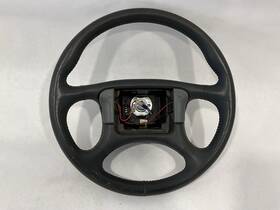
( Manufacturer Part Number: 17984931 ), ( Type: Steering Wheel ), ( Color: Blue ), ( Items Included: Horn Button, Steering Wheel ), ( Universal Fitment: No ), ( Vintage Part: Yes )
Review PONTIAC Steering Wheel Used Oem# Faded Tested fits PRIX GRAND 1982–1993
The **Pontiac 17984931 steering wheel** from the **1982 1993 model years** is a classic example of automotive design from the golden era of American muscle and performance cars. This steering wheel, manufactured under part number **17984931**, was originally fitted to a variety of Pontiac vehicles, including iconic models like the **Trans Am, Firebird, Grand Prix, and Bonneville**, as well as some versions of the **Sunbird** and **6000 series**. Crafted with a blend of functionality and style, it features a **faded, aged appearance**, giving it a vintage charm that reflects the wear and patina of decades of use. The wheel itself is a **three-spoke design**, typical of Pontiac s mid-80s aesthetic, with a **smooth, slightly textured grip surface** that was intended to provide a firm yet comfortable hold for drivers navigating both city streets and high-speed highways. The **steering column attachment** is designed to accommodate the standard **1982 1993 Pontiac steering column**, ensuring a secure and precise fit, while the **center horn button** remains intact, though its functionality may vary depending on the wheel s condition. Over time, the **vinyl or synthetic cover** has developed a soft, muted fade likely from exposure to sunlight, heat, and the natural aging process giving it a warm, sun-bleached look that adds to its nostalgic appeal. This steering wheel is not just a functional component but a piece of automotive history, embodying the bold, performance-oriented spirit of the era. Whether restored for a classic car restoration or preserved as a collector s item, it serves as a tangible connection to the era when American muscle cars dominated the road.
### **Pros and Cons of Buying a 1982 1993 Pontiac with a Faded Steering Wheel (VIN: 17984931)**
#### **Pros**
1. **Affordability** Older Pontiacs from this era are generally inexpensive, making them a budget-friendly option for those who want a classic or used vehicle without a high price tag.
2. **Availability of Parts** As a common model, replacement parts (engines, transmissions, suspension components, etc.) are widely available, both new and used.
3. **Simple Mechanics** Many of these vehicles use straightforward mechanical systems (carbureted engines, manual transmissions, basic suspension setups) that are easier to diagnose and repair than modern electronics-heavy cars.
4. **Customization Potential** The open nature of these cars allows for easy modifications, such as engine swaps, suspension upgrades, or interior restyling.
5. **Nostalgia Factor** If you appreciate classic American muscle cars or Pontiac s design from the '80s and early '90s, the aesthetic appeal can be a major draw.
6. **Potential for Reliability (if well-maintained)** Some owners report that these cars can be surprisingly durable if they ve been properly cared for, especially if the engine and transmission are in good condition.
7. **No Modern Tech Dependence** Unlike newer cars, these vehicles don t rely on complex computer systems, reducing the risk of costly electronic failures.
8. **Good for Beginners** If you re learning to drive or work on cars, a simple Pontiac can be an excellent teaching tool.
---
#### **Cons**
1. **Rust** Many Pontiacs from this era, especially those from the '80s, suffer from rust, particularly in the frame, floor pans, and wheel wells. A thorough inspection is critical.
2. **Faded Steering Wheel** While not a mechanical issue, a faded steering wheel suggests the car may have seen significant use or exposure to sunlight (e.g., if stored outdoors). This could indicate neglect in other areas.
3. **Poor Fuel Economy** Most Pontiacs from this era were designed for power, not efficiency. Expect poor gas mileage, especially with carbureted engines or older fuel-injected models.
4. **Outdated Safety Features** These cars lack modern safety standards (no ABS, minimal or no airbags, poor crash structure). They also have poor visibility and handling compared to today s vehicles.
5. **Reliability Concerns** While some last forever, others develop chronic issues like:- **Engine problems** (leaking oil, rod knock, timing chain/gear wear in later models).
- **Transmission failures** (especially automatic transmissions like the THM200-4R or 4L60).
- **Suspension wear** (worn-out shocks, bushings, or ball joints).
- **Electrical gremlins** (failing alternators, bad wiring, or intermittent issues).
6. **High Maintenance Costs** Even if parts are cheap, labor costs can add up, especially if you re not mechanically inclined. Regular upkeep (oil changes, fluid flushes, rust treatment) is essential.
7. **Resale Value** Classic cars hold value better than these mid-'80s Pontiacs. If you plan to sell later, you may not recoup much.
8. **Driving Experience** Modern cars offer far better comfort, handling, and technology. These vehicles can be noisy, uncomfortable, and lack features like cruise control, power steering, or modern climate control.
9. **Environmental Concerns** Older cars often have higher emissions and may not meet modern environmental standards, limiting where you can drive them.
10. **Hidden Damage** A faded steering wheel might hint at a history of poor storage (e.g., left in the sun, exposed to moisture). Check for other signs of neglect, like rust, fluid leaks, or lack of maintenance records.
---
### **Conclusion**
Buying a 1982 1993 Pontiac with a faded steering wheel can be a rewarding project for someone who enjoys working on cars, appreciates classic aesthetics, or needs a low-cost vehicle for basic transportation. However, it requires patience, mechanical skill, and a willingness to invest time and money in repairs and upkeep. The faded wheel is a minor cosmetic issue, but it may signal broader problems if the car has been poorly maintained.
If you re looking for a **reliable daily driver**, this is not the best choice. If you re seeking a **project car, a fun weekend driver, or a learning experience**, it could be worthwhile **but only if you re prepared for the challenges**.
### **Recommendation**
1. **Get a Professional Inspection** Have a trusted mechanic or classic car specialist thoroughly check the engine, transmission, frame, and suspension. Look for rust, leaks, and signs of past neglect.
2. **Test Drive Carefully** Pay attention to unusual noises, vibrations, or handling issues. Test the brakes, steering, and acceleration.
3. **Check Maintenance History** If possible, verify that the car has been regularly serviced (oil changes, timing belt replacements, etc.).
4. **Budget for Repairs** Expect to spend **$1,000 $5,000 ** (or more) on repairs, depending on its condition. If the cost of fixing it exceeds its value, reconsider.
5. **Consider Alternatives** If you want a classic feel but with better reliability, look at **later-model muscle cars (e.g., 1990s Camaros, Mustangs, or even a well-maintained '90s Pontiac Firebird)**. For a budget daily, a **modern used car with good reliability ratings** may be a smarter choice.
6. **Only Buy If You Love It** If you re passionate about restoring or driving this car and can handle the work, go for it. Otherwise, save your money for a vehicle that will serve you better without constant hassle.
**Final Verdict:** *This Pontiac could be a great project car for the right buyer, but it s not a "set-and-forget" purchase. Proceed with caution, thorough research, and realistic expectations.*
Details:
It is not labeled as a performance part, making it suitable replacement part for those looking to restore or customize their vehicle with authentic components. It includes the steering wheel and horn button, with manufacturer part number 17984931. Please reach out if there are any questions or concerns. This part is used and comes with a 30-day warranty.
The product is a used OEM 1982 1993 Pontiac Grand Prix steering wheel in faded blue color. This vintage part is specific to Pontiac vehicles and not universally fitting.
part #: 17984931 price
- $76.65
specifications steeringwheelsiiz:
- for models: Prix, Grand
- for makes: Pontiac
- for years: 1982-1993
- mpn: 17984931
- type: Steering Wheel
- color: Blue
- items included: Horn Button, Steering Wheel
- universal fitment: No
- vintage part: Yes
seller steeringwheelsiiz:
- # reviews: 840
- rating: 99.8%
- city: Prospect, Pennsylvania
offer steeringwheelsiiz:
- best offers: True
- sold: 0
- started: May 1, 2026
- quantity: 1
- availability: In Stock
- options: Ship-to-home
payments steeringwheelsiiz:
- credit card: Mastercard
- wallet: Google-pay
- other
shipping steeringwheelsiiz:
- transit: 4-7 Days
- cost: $30.00
- service: UPS Ground Saver
- class: Economy
- type: Fixed
- carrier: UPS
returns steeringwheelsiiz:
- paid by: Seller
- time: 30 Days
- policy: Returns Accepted
general steeringwheelsiiz:
- Car Truck Parts Accessories > Interior Parts Accessories > Steering Wheels Horn Buttons
- condition: Used
Pontiac 17984931 Is Similar To:
- 10323125 Gm Pontiac Grand Prix Leather Steering Wheel With Radio Control (53.1% similar) No pets in the car, everything is excellent shape, I have been only driver and can attest that there are surprises with these parts. I didn't use the buttons that much which is why they are in super good condition, you can also see none of markings worn either for same reason. Buyer pays the return ...(February 13th, 2019)
- 109929220 2009 2010 Pontiac Vibe Steering Wheel Driver Lh W Airbag Air Bag Black Oem 01051z (37.3% similar) Que Beck 5 GST...(January 8th, 2016)
- 129090925 Pontiac Vibe Leather Steering Wheel W Audio Cruise Control Oem Lkq 01051w (41.8% similar) ...(July 9th, 2016)
- 15277078 Gm Pontiac Oem 2005 (23.3% similar) Est, Mon to Fri...(March 14th, 2017)
- 15293384 25776353 25870026 15942939 Chevy Cobalt Steering Wheel Pontiac (34.2% similar) ...(September 27th, 2018)
- 17983190 Gm Pontiac Sunbird Grand Am Steering Wheel Horn Cap (48.9% similar) J BODIES1886-87 10 grand am DLX...(April 23rd, 2018)
- 17983800 Pontiac Oem Fiero Horn Button Pad Used Black (29.7% similar) Please review pictures before buying. There are minimal signs of use. This listing is for an oem used pontiac fiery horn button. It is used but in great condition...(September 14th, 2018)
- 17989204 Gm Pontiac Oem Grand Prix Steering Switch (48% similar) This part fits vehicles made in the following years 1987 , 1988 , 1989 , 1990 , 1991 , 1992...(May 14th, 2018)
- 65 Deluxe Orig 1965 Lemans Gto Survivor Horn Wheel Prices Pontiac Tempest Steering (21.7% similar) Chrome horn ring has some light peppering that you'd expect from a 50 k mile got, but does present well for an original. This one has a few cracks in it, and could easily be repaired or used as is for your cruiser...(October 12th, 2014)
- Steering Grant Wood 5 Pontiac 1967-68 Gto Lemans Wheel Walnut 13 Firebird (27% similar) 5 steering wheel by grant...(September 22nd, 2014)
- G8 Steering 09 19685 Silver Controls Black Leather Panel Trim Wheel Pontiac (24% similar) Please see pictures above for more accurate condition. Part details black leather steering wheel w controls and silver trim. The opt option code PRO code refers to specific option code the vehicle came with. Warranty all parts are tested and come with a 30 day limited parts replacement warranty ...(November 13th, 2014)