SDP4 SD167291P4 Trumpet High Pressure Air Car Boat Horn 12V 150DB
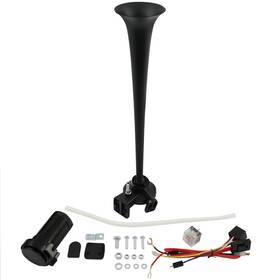
( Brand: Sdp4 ), ( Manufacturer Part Number: SD167291P4 ), ( Type: Horn ), ( Horn Type: High Pressure Air ), ( Features: Quick Release ), ( Placement On Vehicle: Left, Right, Front, Rear ), ( Fitment Type: Direct Replacement ), ( Mounting Hardware Included: Yes ), ( Manufacturer Warranty: 1 Year ), ( Custom Bundle: No ), ( Kit Or Single Part: Kit ), ( Delivery Location: California, Usa ), ( Feature: Escp )
Review SDP4 12v Trumpet 150db Black Chrome High Pressure Air Truck Car Boat Horn
The **SDP4 SD167291P4 12V High-Pressure Air Horn** is a powerful, industrial-grade marine and automotive air horn designed to deliver unmatched visibility and attention-grabbing performance in demanding environments. Engineered with precision, this horn utilizes a **12-volt direct current (DC) system** to operate efficiently within most standard vehicle electrical setups, making it an ideal upgrade for boats, trucks, RVs, and off-road vehicles where loud, clear sound is essential for safety. Its **150-decibel (dB) output** ensures maximum audibility over long distances, cutting through ambient noise whether it s the roar of a highway, the chop of ocean waves, or the hum of a crowded dock to instantly alert others of your presence. Built with a **high-pressure air system**, this horn leverages compressed air for a **sharp, piercing tone** that is both distinct and unmistakable, far surpassing the muffled blasts of traditional electric horns. The **SD167291P4 model** features a **durable, corrosion-resistant construction**, often incorporating materials like **stainless steel or heavy-duty plastic** to withstand harsh marine conditions, saltwater exposure, and extreme temperatures, ensuring longevity even in the most demanding applications. Its compact yet robust design allows for easy installation in tight spaces, whether mounted on a boat s bow, a truck s grille, or an RV s front bumper, without compromising on performance. Whether you re navigating a busy harbor, signaling in foggy coastal waters, or ensuring visibility on a bustling road, this air horn delivers **unmatched power and reliability**, making it a standout choice for those who demand nothing less than **maximum attention and safety**.
### **Pros and Cons of buying a SDP4 SD167291P4 12V High-Pressure Air Car/Boat Horn (150dB)**
#### **Pros:**1. **Extremely Loud Sound Output (150dB)** One of the loudest air horns available, making it highly effective for alerting in noisy environments like highways, construction zones, or marine settings. The sheer volume can ensure visibility and attention even in high-traffic or windy conditions.
2. **Versatile Use Cases** Designed for both **car and boat applications**, meaning it can be installed in vehicles (e.g., trucks, emergency vehicles, or recreational cars) or on boats (e.g., fishing vessels, yachts, or workboats). This dual functionality makes it a cost-effective choice for those with multiple needs.
3. **High-Pressure Air Operation** Uses compressed air (typically from an air compressor or tank) to produce sound, which can be more reliable than electric horns in extreme weather (e.g., rain, saltwater corrosion). Air horns are also less prone to electrical shorts or failure in wet conditions.
4. **Durable Construction** Built to withstand harsh environments, including exposure to moisture, saltwater, and vibrations. Many air horns in this class are made from **stainless steel or heavy-duty plastics**, ensuring longevity in demanding applications.
5. **Attention-Grabbing for Safety** Ideal for **emergency vehicles, construction sites, or marine distress signals** where a loud, piercing sound is critical for safety. The 150dB rating is significantly louder than standard car horns (typically 120-130dB), making it a strong deterrent or warning device.
6. **Long Lifespan with Proper Maintenance** When paired with a reliable air compressor and maintained regularly (e.g., cleaning air lines, checking for leaks), air horns can last **decades**, especially in marine applications where they may be used intermittently.
7. **Customizable Installation** Can be mounted in various locations (e.g., roof, grille, or bow of a boat) and often comes with mounting hardware. Some models allow for **adjustable sound direction** to maximize effectiveness.
8. **No Electrical Fire Risk** Unlike electric horns, air horns do not pose a fire hazard, making them safer in certain environments (e.g., near flammable materials or in marine settings where sparks could be dangerous).
9. **Effective in Windy Conditions** Electric horns can be muffled by wind, but air horns (especially high-pressure ones) maintain their volume better in gusty or open-air environments, such as on boats or at construction sites.
10. **Resale or Trade-In Value** High-quality air horns retain value, especially in niche markets like **marine or industrial applications**, where demand for reliable horns remains steady.
---
#### **Cons:**1. **Requires an Air Compressor or Air Tank** Unlike electric horns, which plug into a vehicle s battery, air horns need a **separate air source** (either an onboard compressor or an external tank). This adds complexity and cost:
- You ll need to purchase or already have an **air compressor** (e.g., 12V marine or truck-mounted) capable of delivering sufficient pressure (typically **40-60 PSI** for optimal performance).
- If using a tank, it must be **properly sized and maintained** to avoid running out of air mid-use.
- Some vehicles (especially older or non-commercial ones) may lack the necessary wiring or space for an air system.
2. **Higher Upfront Cost** While the horn itself may be reasonably priced, the **additional cost of an air compressor, regulator, and installation** can make the total investment significantly higher than a standard electric horn. For example:
- A basic 12V air compressor: **$100 $300 **
- Air lines, fittings, and mounting hardware: **$50 $150**
- Professional installation (if needed): **$100 $300 **
- Total system cost can easily exceed **$500 $1,000**, depending on quality and setup.
3. **Maintenance Requirements** Air systems require **regular upkeep** to function properly:- **Air line leaks** can develop over time, reducing efficiency or causing the horn to fail.
- **Moisture buildup** in the air lines or compressor can lead to corrosion or clogging, especially in marine environments.
- **Oil changes** (if using an oil-lubricated compressor) are necessary to prevent wear.
- **Filter replacements** may be needed to keep air clean and pressure consistent.
4. **Noise and Vibration in the Cabin** Air compressors can be **loud and generate vibration**, which may be noticeable inside a vehicle or boat. Some compressors require **sound-dampening mounts** to reduce cabin noise.
5. **Limited Sound Directionality** While some air horns can be angled for better projection, they often radiate sound in a **broad pattern**, which may not be as focused as a well-designed electric horn. In certain applications (e.g., long-distance signaling), this could be a drawback.
6. **Potential for Air Pressure Issues** If the compressor fails or the air tank runs low, the horn may **not trigger at all** or produce a weak sound. This is a critical failure mode in safety-critical applications (e.g., emergency vehicles).
7. **Space and Installation Constraints** Installing an air system requires **dedicated space** for the compressor, tank, and air lines. In a small vehicle or boat, this may not be feasible without modifications.
8. **Not Ideal for Frequent, Short Activations** Air horns are best suited for **occasional, long-duration blasts** (e.g., 1 2 seconds at a time). Frequent, rapid activations can **overwork the compressor** and reduce its lifespan.
9. **Environmental Considerations** While air horns are safer than electric ones in some ways, they still contribute to **noise pollution**, which may be regulated in certain areas (e.g., residential zones or marine protected areas).
10. **Learning Curve for Installation** If you re not familiar with air systems, setting one up can be **technically challenging**, requiring knowledge of:
- Proper **air line routing** to avoid kinks or leaks.
- Correct **pressure regulation** to prevent damage to the horn.
- **Sealing connections** to prevent moisture ingress (critical for marine use).
---
### **Conclusion:**The **SDP4 SD167291P4 12V 150dB air horn** is an **excellent choice** for those who prioritize **loudness, durability, and versatility** in demanding environments like **boats, trucks, or emergency vehicles**. Its **high sound output, resistance to corrosion, and reliability in wet conditions** make it superior to standard electric horns for marine and industrial applications. However, the **requirement for an air compressor, higher upfront cost, and maintenance needs** may deter casual users or those with simpler needs.
If you **need a horn for safety, visibility, or legal compliance** (e.g., in certain states where ultra-loud horns are required for trucks), the investment is justified. For **daily driving or non-critical use**, a **high-quality electric horn** (e.g., 130dB ) may be a more practical and cost-effective alternative.
---
### **Recommendation:** **Buy this air horn if:**You operate a **boat, truck, or emergency vehicle** where **loudness and reliability in harsh conditions** are critical.
You already have (or are willing to purchase) a **12V air compressor or tank system**.
You re prepared for **regular maintenance** (checking air lines, filters, and compressor health).
You need **maximum attention-grabbing power** (e.g., for construction sites, fishing boats, or high-visibility vehicles).
**Avoid this air horn if:**You want a **simple, plug-and-play solution** without additional equipment.
Your budget is tight, as the **total system cost** (horn compressor installation) will be high.
You primarily use your vehicle/boat in **urban or quiet areas** where extreme loudness isn t necessary.
You lack **mechanical skills** or access to **air system maintenance**.
**Alternative Considerations:**- If you **don t need 150dB** but still want a **loud, durable horn**, a **high-end electric horn** (e.g., **JBS 130dB or Yamaha 140dB**) may suffice with lower upfront costs.
- For **marine use**, consider a **waterproof electric horn** if you don t want to deal with air systems, though they may not last as long in saltwater.
- If you re on a **tight budget**, look for **used air horns or compressors** (e.g., from marine or industrial resellers) to reduce costs.
**Final Verdict:** This is a **premium air horn** best suited for **serious users** who need **unmatched loudness and durability** and are willing to invest in the supporting equipment. For most everyday drivers, a **strong electric horn** will provide better convenience
Details:
Note Please confirm the Compatibility before you purchase. Single Trumpet Air Horn. 12V 1 Trumpet 150DB Black Chrome High Pressure Air Fits Truck Car Boat Horn.
part #: sd167291p4 price
- $28.54
specifications steeringwheelsiiz:
- brand: Sdp4
- mpn: Sd167291p4
- type: Horn
- horn type: High Pressure Air
- features: Quick Release
- placement on vehicle: Left, Right, Front, Rear
- fitment type: Direct Replacement
- mounting hardware included: Yes
- manufacturer warranty: 1 Year
- custom bundle: No
- kit or single part: Kit
- delivery location: California, Usa
- feature: Escp
returns steeringwheelsiiz:
- time: 30 Days
- paid by: Seller
- policy: Returns Accepted
general steeringwheelsiiz:
- Car Truck Parts Accessories > Interior Parts Accessories > Steering Wheels Horn Buttons
- condition: New
seller steeringwheelsiiz:
- rating: 99.5%
- # reviews: 5139
- city: Ontario, California
shipping steeringwheelsiiz:
- carrier: FedEx
- cost: $0.00
- class: Economy
- transit: 3-9 Days
- type: Fixed
- service: FedEx Ground Economy
offer steeringwheelsiiz:
- availability: In Stock
- started: May 19, 2026
- options: Ship-to-home
- best offers: True
- sold: 0
- quantity: 5
payments steeringwheelsiiz:
- credit card: Discover
- wallet: Apple-pay
- other
Sdp4 SD167291P4 Is Similar To:
- Sdp4 Sd108120p4 12 Volt 0.8 Gallon Air Tank 150 Psi Compressor 4 Trumpets Fits Car Truck (40.2% similar) 12 volt 0.8 gallon air tank 150 psi compressor 4 trumpets fits car truck. Train/truck horn full systems. Note please confirm the compatibility before you purchase...(June 4th, 2025)
- Sdp4 Sd108096p4 For Train Car Truck Boat 12v 135 Db Silver Chrome Suv Motorcycle Horn (43.2% similar) Dual trumpet air horn. For train car truck boat 12V 135 db silver chrome SUV motorcycle horn. Trumpets SIZE:6 /8 x3 160/200 76 diam hose length 17.7 450MM compressor size 4.4 x2 112X50MM volt:dc 12VCURRENT:20.0AIMPEDANCE:1 sound LEVEL:135DBCOLOR:CHROMEOPERATION AIR:15-22 psi 0.1MPA-0.15MPA ...(June 4th, 2025)
- Sdp4 Sd108098p4 12v Silver Steel 200 Psi Air Compressor Fits Train Horn Suspension (43.9% similar) 200 psi air COMPRESSOR12V permanent magnetic motor maximum working PRESSURE:200 psi duty CYCLE:33% 100 psi amperage DRAW:23AFLOW RATE:1.32 cfm psi oil-less design moisture and dust resistant anodized aluminum alloy cylinder automatic reset thermal overload protector mounting plates with vibration ...(February 27th, 2026)
- Sdp4 Sd167292p4 12v 2 Trumpet 150db Black Chrome Fits Suv Boat Motorcycle Truck Car Horn (73.7% similar) Note please confirm the compatibility before you purchase. 12V 2 trumpet 150DB black chrome fits SUV boat motorcycle truck car horn. Dual trumpet air horn...(February 27th, 2026)
- Sdp4 Sd160352p4 Fits Car Truck Bike Motorcycle Horn 12v Gray Electric Air Raid Siren (36.6% similar) Note please confirm the compatibility before you purchase. Fits car truck bike motorcycle horn 12V gray electric air raid siren. Air raid siren horn alarm...(May 13th, 2026)
- Sdp4 Sd108093p4 3 Gallon 200psi 12v Installation Kit Silver And Black Fits Train Truck Boat (46.2% similar) Working voltage :12 volt compressor SIZE:280 l 100 w 165 hmm 11 l 3.9 w 6.5TANK SIZE:590 l 320 w 245 hmm 23.2 12.6 9.6 tank CAPACITY:12L 3GAL max PRESSURE:200 psi max DRAW:23 amps pressure switch SETTING:170-200 psi duty CYCLE:100% 100 CYCLE:50% 200 psi tank fill DATA:0 to psi 6 MIN150 2 min 20 sec...(May 19th, 2026)