SCOTT DRAKE PBC-A1 Power Disc Brake Conversion Auto Trans 842110176998
fits year: 1965–1966.
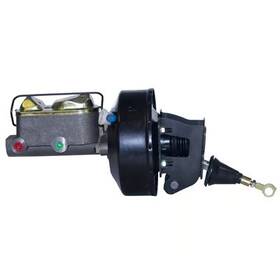
( Brand: Scott Drake ), ( Manufacturer Part Number: PBC-A1 ), ( Part Type: Brake Tran ), ( Country Of Origin: United States ), ( Manufacturer Warranty: Manufacturers Limited 1 Year ), ( UPC: 842110176998 )
Review SCOTT DRAKE Power Brake Conversion Disc Brakes Auto Trans fits 1965–1966
The **Scott Drake PBC-A1 (1965 1966 Power Brake Conversion Disc Brake Kit)** is a meticulously engineered aftermarket solution designed to transform the hydraulic drum brake system of a 1965 1966 Chevrolet Corvette into a high-performance disc brake setup, complete with power assistance for enhanced stopping power and modern reliability. This conversion kit is crafted for the iconic Sting Ray models equipped with the original **Power Brake Converter (PBC) system**, allowing enthusiasts to retain the convenience of power brakes while upgrading to the superior modulation, heat dissipation, and all-weather performance of disc brakes. The kit features a **front disc brake conversion** that replaces the stock drum assemblies with a pair of **11-inch vented rotors**, paired with high-performance **semi-metallic or ceramic brake pads** for extended durability and consistent bite. The conversion includes **stainless steel brake lines** to ensure clean hydraulic flow, reducing brake fade and improving pedal feel, while the **adjustable caliper mounting brackets** accommodate the stock suspension geometry without compromising fitment or clearance. For those seeking a seamless integration, the kit retains the original **power brake booster** and master cylinder, ensuring compatibility with the existing power brake system while eliminating the need for costly modifications to the steering column or brake pedal assembly. This conversion is ideal for collectors and restorers aiming to preserve the vintage aesthetic of their Corvette while significantly boosting braking performance, making it a standout choice for those who demand both authenticity and cutting-edge functionality in their classic muscle cars.
### Pros and Cons of Buying a Scott Drake PBC-A1 (1965 1966 Power Brake Conversion with Disc Brakes and Automatic Transmission)
#### **Pros**
1. **Rarity and Collectibility** The Scott Drake PBC-A1 is a highly sought-after classic motorcycle, especially in its original form or with modifications like power brakes and disc brakes. Its rarity increases its value over time, making it a strong investment for collectors.
2. **Performance Enhancements** The power brake conversion and disc brakes significantly improve stopping power compared to the original drum brakes. This makes the bike safer and more enjoyable to ride, particularly for modern riders accustomed to modern braking systems.
3. **Automatic Transmission** The inclusion of an automatic transmission (such as the Power Glide or similar) adds convenience, making it easier for riders who may not be comfortable with manual shifting. This is particularly appealing to enthusiasts who appreciate the blend of classic styling with modern comforts.
4. **Customization Potential** The PBC-A1 platform allows for extensive modifications, from engine upgrades to suspension tuning. The disc brake conversion is a major upgrade that can be further refined with modern components like radial-mount rotors or performance pads.
5. **Nostalgia and Aesthetic Appeal** The Scott Drake PBC-A1, especially in its 1965 1966 form, has a timeless, retro-futuristic look that appeals to vintage motorcycle enthusiasts. Its sleek, aerodynamic design remains iconic decades later.
6. **Potential for High Resale Value** Well-preserved examples, particularly those with original or restored components, can appreciate in value. The motorcycle s cult following ensures a dedicated market for serious collectors.
7. **Engine Reliability (with Proper Maintenance)** The 750cc V-twin engine (often a Harley-Davidson or similar) is known for durability if maintained correctly. With modern tuning, it can produce respectable power while retaining its classic character.
8. **Community and Support** The Scott Drake community is passionate and active, with forums, clubs, and aftermarket parts available. This makes finding support, modifications, and restoration advice relatively straightforward.
---
#### **Cons**
1. **High Cost of Acquisition** Due to its rarity, a fully restored or original PBC-A1 with power brakes and an automatic transmission can cost **$50,000 to over $100,000 **, depending on condition, provenance, and modifications. This makes it a significant financial commitment.
2. **Maintenance and Upkeep Expenses** Classic motorcycles, even with modern upgrades, require specialized care. Disc brakes, automatic transmissions, and vintage electrical systems may need frequent attention. Parts for original components can be expensive or hard to find.
3. **Limited Availability of Original Parts** While aftermarket parts exist, finding exact original components (e.g., early PBC-A1 body panels, wiring harnesses) can be difficult. This may require sourcing from collectors or custom fabrication.
4. **Riding Experience Limitations** Despite the automatic transmission, the bike s weight (often over 600 lbs) and high seat height can make it less maneuverable than modern bikes. The power brake conversion, while an upgrade, may still feel less responsive than contemporary hydraulic systems.
5. **Insurance Costs** Classic motorcycles, especially high-value ones, can be expensive to insure. Specialized insurers may be required, and premiums can be significantly higher than for a modern bike.
6. **Driving Legality and Compliance** Some modifications (e.g., disc brakes on a bike originally designed for drums) may require homologation or compliance with modern safety standards. Check local regulations to ensure the bike is street-legal without modifications.
7. **Depreciation Risk** While some classics appreciate, others depreciate. If the market shifts or the bike is not maintained to collector standards, its value could decline. This is a risk inherent in any high-end collectible.
8. **Skill and Time Required for Restoration** If purchasing a project bike, the PBC-A1 s complexity (especially with power brakes and an automatic) demands mechanical expertise. Restoration can take years and requires patience, tools, and knowledge.
9. **Limited Practical Use** Unlike a daily rider, the PBC-A1 is primarily a showpiece or weekend project bike. Its size, fuel efficiency (poor by modern standards), and maintenance needs make it impractical for daily use.
10. **Market Saturation** While rare, there is growing interest in Scott Drakes, meaning competition for the best examples is increasing. This could drive up prices further, making entry into the market more difficult for serious buyers.
---
### **Conclusion**
The Scott Drake PBC-A1 (1965 1966) with power brake conversion, disc brakes, and an automatic transmission is a **highly desirable but expensive** classic motorcycle. It combines rarity, aesthetic appeal, and modern upgrades that enhance its rideability and collectibility. However, its cost, maintenance demands, and niche appeal mean it is not a practical choice for casual riders or those seeking a budget-friendly bike.
This motorcycle is best suited for:- **Serious collectors** who appreciate rare, well-documented examples.
- **Enthusiasts willing to invest time and money** in restoration or maintenance.
- **Riders who prioritize nostalgia, customization, and show potential** over practicality.
- **Those with access to specialized mechanics and parts** to keep the bike in top condition.
For most riders, a more affordable classic (e.g., a restored Triumph Bonneville or a well-maintained Harley-Davidson) may offer a better balance of enjoyment and manageability. However, if you are passionate about Scott Drakes and can afford the commitment, this bike represents a unique opportunity to own a piece of motorcycle history with modern upgrades.
### **Recommendation**
If you are considering purchasing a Scott Drake PBC-A1:1. **Set a strict budget** and stick to it avoid overspending on a project bike unless you are prepared for long-term investment.
2. **Prioritize documentation** ensure the bike has a clear history of ownership, maintenance records, and originality where possible.
3. **Inspect thoroughly** have a trusted mechanic evaluate the engine, transmission, brakes, and electrical systems before buying.
4. **Consider a restored example** over a project bike if you want immediate enjoyment, as restoration can be time-consuming and costly.
5. **Join the Scott Drake community** engage with forums and clubs to learn from others experiences and find reliable parts/support.
Ultimately, this bike is a **luxury purchase** one that should be made with enthusiasm for the brand and a realistic understanding of its demands. For the right buyer, it is an extraordinary addition to any collection; for others, it may be a dream deferred.
Details:
This setup utilizes a new Bendix power brake booster with increased sensitivity and 1 year warranty, large capacity dual chamber master cylinder, specially designed mounting bracket to allow direct bolt in while retaining original pedal assembly clearance of the shock tower.s EEO below for brake lines to simplify the installation. Some high performance lift camshafts may not create enough vacuum. Compatible with 1965-1966 Ford Mustang Disc Brakes Automatic Transmission.
Buyer pays return shipping. The only modification necessary is bending new lines from the master cylinder to distribution block. The push rod is preset but adjustable to move the pedal height up or down. This part is recommended for all 1964 - 1966 disc brake cars.
This kit is easy to install and works excellent on both drum disc brake cars. Provides increased stopping power. 1967 - 1970 cars already have one from the factory but it is a good idea to replace. Includes booster, dual chamber master cylinder and adjustable push rod.
part #: pbca1 price
- $511.95
specifications steeringwheelsiiz:
- for years: 1965-1966
- brand: Scott Drake
- mpn: Pbc-a1
- part type: Brake Tran
- country of origin: United States
- manufacturer warranty: Manufacturers Limited 1 Year
- upc: 842110176998
payments steeringwheelsiiz:
- credit card: Mastercard
- other
- wallet: Paypal
seller steeringwheelsiiz:
- city: Bowling Green, Kentucky
- # reviews: 54663
- rating: 99.8%
shipping steeringwheelsiiz:
- class: Standard
- cost: $0.00
- type: Fixed
- service: UPS Ground
- transit: 3-5 Days
- carrier: UPS
offer steeringwheelsiiz:
- sold: 0
- quantity: 5
- options: Ship-to-home
- started: April 4, 2026
- availability: In Stock
general steeringwheelsiiz:
- condition: New
- Car Truck Parts Accessories > Interior Parts Accessories > Steering Wheels Horn Buttons
returns steeringwheelsiiz:
- policy: Returns Accepted
- time: 30 Days
- paid by: Seller
Scott Drake PBC-A1 Is Similar To:
- S7ms-3511-p Scott Drake Mustang Parts Shelby Style Wood Grain Steering Wheel (22.5% similar) This mounting hub is for your ford mustang. Note this picture is solely for illustration. Ships to lower 48 states only. One brand new Shelby wood grain steering wheel mounting hub. Does not indicate exact product...(July 31st, 2018)
- C5zz-13832-h Scott Drake Horn (29.1% similar) Notes factory correct reproduction. Fitment information may not be available for all products and those without will have a compatibility link. Buyer pays return shipping. voltage compatibility 12 image to purchase these items below and complete your installation. Quantity sold individually...(October 23rd, 2018)
- C5zz-13833-a Scott Drake Horn Ford Each (33.6% similar) Quantity sold individually. Notes includes hardware. voltage compatibility 12 image to purchase these items below and complete your installation. Not a concourse replacement. Fitment information may not be available for all products and those without will have a compatibility link. Buyer pays ...(December 31st, 2018)
- C5zz-13833-l Scott Drake Horn Low Pitch Ford Each (32.5% similar) voltage compatibility 12 image to purchase these items below and complete your installation. Quantity sold individually. Notes factory correct reproduction. Buyer pays return shipping. Fitment information may not be available for all products and those without will have a compatibility link...(October 23rd, 2018)
- C5zz-3600-br Scott Drake Steering Wheel Replacement Abs Plastic Bright Red Ford (32.7% similar) Spoke color bright red material abs plastic quantity 3 steering wheel mounting bolt 2 image to purchase these items below and complete your installation. Fitment information may not be available for all products and those without will have a compatibility link. Buyer pays return shipping. Grip color...(December 14th, 2018)
- C7zz-13832-h Scott Drake Hi Pitch Horn Concours (36.4% similar) Quantity sold individually. Image to purchase these items below and complete your installation. Fitment information may not be available for all products and those without will have a compatibility link. Buyer pays return shipping...(November 5th, 2018)
- C7zz-13833-l Scott Drake Lo Pitch Horn Concours (36.4% similar) Image to purchase these items below and complete your installation. Fitment information may not be available for all products and those without will have a compatibility link. Buyer pays return shipping. Quantity sold individually...(November 5th, 2018)
- C7zz-3600-bl Scott Drake Replacement Steering (30.3% similar) Fitment information may not be available for all products and those without will have a compatibility link. Grip color blue material abs plastic horn button included no installation kit required quantity sold individually. Actual item may vary. Diameter in 16. Buyer pays return shipping...(April 18th, 2017)
- Drake Ford Black Scott Replacement Plastic Abs Wheel Steering (34.1% similar) Buyer pays return shipping. Grip color black grip material abs plastic horn button included no installation kit included no installation kit required no quantity sold individually. Fitment information may not be available for all products and those without fitment will not have a compatibility link...(August 11th, 2014)
- Ford Steering Drake Wheel Blue Plastic Scott Replacement Abs (32.8% similar) Fitment information may not be available for all products and those without fitment will not have a compatibility link. Grip color blue grip material abs plastic horn button included no installation kit included no installation kit required no quantity sold individually. Diameter in buyer pays ...(August 4th, 2014)
- Gm-sw-6782-cv Scott Drake Steering Wheel Corso (36.7% similar) Coos froze LT-15 steering wheel by Scott Drake the was inspired original simulated wood wheels commonly used as a deluxe option on many gm cars of 60S and early. The coos froze LT-15 is ideal steering wheel for these gm vehicles: 63-67 corvette, 67-69 Camry, Chevalier, Malibu, Eli amino, 68-70 nova ...(February 14th, 2017)