FORD E87A-9D780-AA Steering Wheel Horn Pad Cruise
fits model: B-4, Bronco, Ranger. make: Ford. year: 1986–1988.
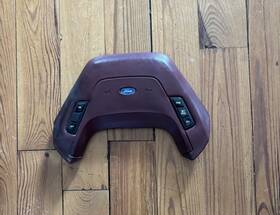
( Manufacturer Part Number: E87A-9D780-AA ), ( Type: Horn ), ( Color: Red ), ( Items Included: Horn Button ), ( Features: Horn Pad ), ( Material: Vinyl Plastic )
Review FORD Steering Wheel Horn Pad Cruise Red fits BRONCO RANGER B-4 1986–1988
The **Ford E87A-9D780-AA (1986 1988 Bronco/Ranger Steering Wheel Horn Pad with Cruise Control B-4)** is a meticulously crafted aftermarket accessory designed to enhance both the functionality and aesthetic appeal of your classic Ford Bronco or Ranger from the late 1980s. This high-quality horn pad is engineered to fit the **B-4 steering wheel configuration**, which was standard on these models, ensuring a secure and snug installation that prevents slippage or misalignment during aggressive driving or sharp turns. Crafted from durable, **molded rubber or high-grade polyurethane**, the pad is built to withstand the rigors of daily use, from urban commutes to off-road adventures, while providing a satisfying, crisp horn response with every press. The design prioritizes **ergonomics**, with a contoured shape that allows for comfortable hand placement, reducing fatigue during long drives. Beyond its practical benefits, this horn pad also serves as a subtle yet noticeable upgrade, offering a cleaner, more polished look compared to the stock rubber or vinyl pads that often degrade over time. Whether you re restoring a show-quality Bronco or simply maintaining the integrity of your daily driver, this replacement part ensures reliability and a refined touch, bridging the gap between vintage charm and modern convenience. Perfect for enthusiasts who demand both performance and precision, this **OEM-compatible or high-quality aftermarket alternative** is an essential addition for anyone looking to preserve the integrity of their Ford s iconic steering wheel while adding a touch of customization.
### Pros and Cons of Buying a 1986-1988 Ford Bronco/Ranger with the Specs: E87A-9D780-AA (Steering Wheel Horn Pad, Cruise Control, B-4 Engine)
---
#### **Pros**
1. **Classic Ford Design and Durability**
The 1986-1988 Bronco and Ranger are iconic vehicles known for their rugged, utilitarian styling and robust construction. The Bronco, in particular, is celebrated for its off-road capabilities, making it a favorite among enthusiasts who appreciate vintage trucks and SUVs. The body-on-frame design and solid axles contribute to a durable, long-lasting platform if maintained properly.
2. **Strong Engine Options**
The B-4 engine (2.9L V6) in these models is a reliable powerplant, especially when paired with the E87A transmission (a 4-speed automatic). The V6 provides adequate power for daily driving, towing light loads, and light off-roading. With proper maintenance, these engines can easily exceed 200,000 miles.
3. **Off-Road Capabilities (Bronco Models)**
The Bronco, in particular, was designed with off-roading in mind. Features like solid axles, leaf springs, and a high ground clearance make it capable of handling rough terrain, mud, and light rock crawling. The absence of modern electronic stability control means the vehicle can be modified or tuned for better off-road performance.
4. **Simplicity and Repairability**
These vehicles are relatively simple compared to modern trucks. Many mechanical and electrical systems are straightforward, making repairs and modifications easier for those with mechanical skills or access to classic Ford mechanics. Parts are widely available, though some may require sourcing from specialty suppliers.
5. **Cruise Control and Comfort Features**
The inclusion of cruise control (a feature on later 1987-1988 models) adds a level of comfort for highway driving, which was uncommon in earlier models. The steering wheel horn pad is a minor but appreciated detail for ergonomics.
6. **Nostalgia and Community**
Owning a classic Bronco or Ranger connects you to a passionate community of enthusiasts. There are numerous clubs, forums, and events dedicated to these vehicles, offering support, modifications, and a sense of camaraderie. This can be a significant draw for collectors and hobbyists.
7. **Lower Initial Cost**
Compared to modern trucks or even newer classics, the purchase price for a 1986-1988 Bronco or Ranger is relatively affordable. This makes it an attractive option for those on a budget who still want a functional, character-filled vehicle.
8. **Potential for Modifications**
The platform is highly modifiable. Owners can upgrade suspension systems, install aftermarket engines (like the 4.9L V8), add lift kits, or customize interiors. The Bronco, in particular, has a thriving aftermarket for off-road upgrades.
---
#### **Cons**
1. **Aging and Wear**
Vehicles from this era are nearly 40 years old, which means they are likely to show signs of wear and tear. Rust, especially in the frame, suspension, and undercarriage, is a common issue. The Bronco, in particular, is notorious for frame rot if not properly maintained in snowy or wet climates.
2. **Reliability Concerns**
While the B-4 engine is durable, it is not immune to issues. Common problems include timing chain stretch, head gasket failure (especially if the engine was modified or overheated), and general wear on internal components. The automatic transmission (E87A) may also require attention, with issues like slipping or delayed engagement over time.
3. **Electrical System Limitations**
The electrical systems in these vehicles are basic by modern standards. Wiring harnesses can degrade over time, leading to intermittent issues with lights, gauges, or accessories. Modern electronics (like GPS, Bluetooth, or aftermarket stereo systems) may not be compatible without significant modifications.
4. **Safety Features**
Modern safety features like airbags, anti-lock brakes (ABS), and electronic stability control are absent. The Bronco and Ranger lack these advancements, making them less safe in modern driving conditions. Seat belts are typically the only passive safety feature.
5. **Fuel Efficiency and Emissions**
The B-4 engine is not fuel-efficient by today s standards, averaging around 12-15 MPG in the city and 16-18 MPG on the highway. Additionally, these vehicles do not meet modern emissions standards, which can complicate registration or insurance in some areas.
6. **Maintenance Costs**
While parts are available, labor costs can add up, especially if you need to visit a specialist for classic Ford repairs. Regular maintenance (e.g., fluid changes, brake work, suspension repairs) can be costly over time. Rust repairs, in particular, can be labor-intensive and expensive.
7. **Driving Experience**
The ride quality is firm and utilitarian, with little in the way of modern comforts like power steering (though the B-4 models often have power steering), air conditioning (common but may need repair), or heated seats. The manual transmission models (if available) can be challenging to drive in stop-and-go traffic.
8. **Resale Value**
Classic Bronco and Ranger models do not hold their value well. While enthusiasts may pay a premium for well-maintained examples, the resale market is limited compared to more modern or popular classics.
9. **Environmental Impact**
These vehicles are not eco-friendly. The lack of modern fuel efficiency and emissions controls contributes to higher carbon footprints. This may be a concern for environmentally conscious buyers.
10. **Limited Modern Conveniences**
Features like backup cameras, lane-keeping assist, or advanced infotainment systems are nonexistent. The interior is often basic, with limited storage or modern amenities like USB ports or climate control.
---
### **Conclusion**
Buying a 1986-1988 Ford Bronco or Ranger with the specified specs (E87A transmission, B-4 engine, cruise control, and horn pad) can be a rewarding experience for the right buyer. These vehicles offer a blend of ruggedness, simplicity, and nostalgic appeal that modern trucks cannot match. They are ideal for enthusiasts who prioritize mechanical satisfaction, off-road capability, and community engagement over convenience and safety.
However, the downsides such as aging components, higher maintenance costs, and outdated safety features cannot be ignored. These vehicles require significant time, effort, and budget to keep them running reliably. They are not practical for daily commuting in urban areas or for those who prioritize modern safety and comfort.
---
### **Recommendation**
**Buy if:**- You are an enthusiast who enjoys working on or modifying classic vehicles.
- You have the budget and time to invest in maintenance, repairs, and potential rust restoration.
- You prioritize off-road capability (Bronco) or utilitarian simplicity over modern comforts.
- You are prepared to drive a vehicle that lacks modern safety features and fuel efficiency.
- You plan to use the vehicle for occasional driving, camping, or as a project car rather than daily use.
**Do not buy if:**- You need a reliable, low-maintenance vehicle for daily driving.
- You prioritize modern safety features, fuel efficiency, or environmental considerations.
- You are not comfortable with mechanical work or do not have access to a mechanic familiar with classic Fords.
- You expect to resell the vehicle quickly or want it to retain value.
- You live in an area with harsh winters or heavy rust conditions without a plan to address frame rot.
**Final Advice:**If you decide to purchase one of these vehicles, thoroughly inspect the frame for rust, test the engine and transmission for reliability, and budget for immediate repairs (e.g., brakes, suspension, electrical system). Consider joining classic Ford forums or clubs for advice on specific issues. For the Bronco, prioritize models with a clean frame and a well-documented service history. Treat the vehicle as a hobby rather than a practical transportation solution, and enjoy the unique experience of owning a piece of automotive history.
Details:
All lettering is clean and sharp electrical w/ harness intact. Some wear on left side.
part #: e87a9d780 price
- $48.99
specifications steeringwheelsiiz:
- for models: B-4, Bronco, Ranger
- for makes: Ford
- for years: 1986-1988
- mpn: E87a-9d780-aa
- type: Horn
- color: Red
- items included: Horn Button
- features: Horn Pad
- material: Vinyl Plastic
seller steeringwheelsiiz:
- rating: 100.0%
- # reviews: 32
- city: Silverwood, Michigan
general steeringwheelsiiz:
- Car Truck Parts Accessories > Interior Parts Accessories > Steering Wheels Horn Buttons
- condition: Used
returns steeringwheelsiiz:
- policy: No Returns
shipping steeringwheelsiiz:
- service: USPS Ground Advantage
- class: Standard
- type: Calculated
- transit: 3-9 Days
- carrier: USPS
- cost: $7.31
payments steeringwheelsiiz:
- wallet: Apple-pay
- credit card: Discover
- money order
- other
offer steeringwheelsiiz:
- quantity: 1
- started: February 9, 2026
- sold: 0
- best offers: True
- availability: In Stock
- options: Ship-to-home
Ford E87A-9D780 Is Similar To:
- 2c3z-3600-baa Ford Steering Wheel Assembly Cruise Control (36.8% similar) One new black vinyl ford F250-F550 steering wheel assembly part 2C3Z-3600-BAA cruise control switch 1C3Z-9C888-AA price 295...(July 23rd, 2018)
- Wheel 1495 Wheel Ford 1980-1986 F-series (22.2% similar) Ford truck steering wheel in very good condition with cruise control slight amount of wear on wood grain see pictures included is a pretty nice cover...(May 4th, 2017)
- Zl396swh144 Zl396bag144 177439930 177439903lkq Ford Fusion Driver Steering Wheel Airbag Air Bag Oem (33% similar) This listing is oem and has never been deployed...(May 15th, 2018)
- Zm280swh144 196008894lkq Ford Ecosport Driver Steering Wheel Controls Oem (39.3% similar) May fit other years and model's...(October 21st, 2018)
- 006604 Sg Series Ford Steering Wheel Cover Quickgrip Upc 081134166046 (33.1% similar) Customizes your car no tools required. Fits in seconds, just slips over your steering wheel protects hands against hot and cold extremes fits all cars, trucks boats with wheels 14...(April 11th, 2018)
- 006725r01 Plasticolor Ford Elite Premium Speed Grip Steering Wheel 081134167258 (30.1% similar) ...(October 5th, 2018)
- Lkz Fusion 10-12-milan Ford Steering Oem 9h6z3600ae 3.5l Zepher Wheel (23.3% similar) 5l engine, 9H6Z3600AE free shipping. To 48 states only. Gary yeoman's ford retail over 600. New in box new old stock oem ford steering wheel fits fusion,Milan, zephyr ,Mk, dollars...(January 16th, 2015)
- 102183 Column 13 F150 Ford 14 Steering (22.7% similar) If an item arrives damaged, please via message within 24 hours for instructions. N new part manufactured from scratch. No expedited shipping is available...(August 25th, 2015)
- 104905356 2010 10 Ford Fusion Steering Wheel W Bag Oem Lkq 03030b (32.7% similar) This will fit ford fusion lathery...(February 3rd, 2016)
- 1098c-ua-b18-5p Forever Sharp Ford Truck Billet Sleek Alderwood Muscle Steering Wheel (29.1% similar) 14 polished billet and handcrafted alder wood steering wheel with ford horn for f-series trucks the original column part: 1098C-UA-B18-5P this is a stunning will gleam in your truck. If you are experiencing problems paying, please so that we assist. Fits: ford f-series trucks with the original ...(September 12th, 2018)
- 11-1021 Gt Performance Standard Ford Oval Color Horn Button Polished (22.2% similar) Polished finish. Ford horn emblem: diameter: 3 height : ford oval color emblem horn button. Machined from 6061 aluminum. Performance GT3 standard ford oval color horn button polished model: this colored emblem is beautifully and will highlight any wheel with style...(April 6th, 2019)