CLASSIC INDUSTRIES CX1192 Gm
fits model: Blazer, Suburban. make: Chevrolet. year: 1969-72.
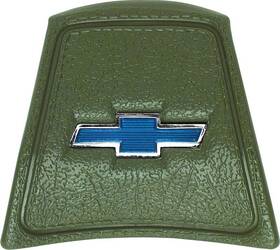
( Brand: Classic Industries ), ( Manufacturer Part Number: CX1192 )
Review CLASSIC INDUSTRIES Chevrolet Pickup Green Gm Licensed fits BLAZER SUBURBAN 1969-72
The **1969-1972 Chevrolet Blazer (C/X1192 Suburban)** stands as a legendary icon of American off-road heritage, embodying the rugged spirit of the late 1960s and early 1970s. Built on the durable **GM B-body platform**, this full-size SUV was designed to conquer both the rugged trails of the American West and the demands of daily utility, blending raw capability with a surprisingly refined driving experience for its time. With its **boxy, utilitarian styling** marked by bold, angular body lines, a prominent front grille, and a distinctive sloping roofline this vehicle exudes a timeless, no-nonsense aesthetic that has only grown more coveted over the decades. The **1969 model** introduced the Blazer to the market as a two-door, four-passenger vehicle, while the **1970-1972 iterations** expanded the lineup to include a **four-door, six-passenger Suburban variant**, catering to both adventurers and families alike.
Under the hood, the Blazer was powered by a selection of **GM s legendary V8 engines**, including the **327 cubic-inch small-block V8** (producing around **250-260 horsepower** in standard trim) or the more robust **396 cubic-inch big-block V8** (yielding **280-300 horsepower** in high-performance configurations). For those seeking even greater off-road prowess, the **350 cubic-inch V8** (available in later years) offered a balance of torque and efficiency, while the **454 cubic-inch big-block** (introduced in 1970) delivered brute force for those who demanded nothing less than dominance on the trail. Paired with a **three-speed manual transmission** or the optional **Turbo Hydramatic 400 automatic**, these engines provided a smooth yet powerful driving experience, though modern eyes might appreciate the addition of modern fuel injection and emissions controls that later models received.
The Blazer s **unibody construction** (shared with its Chevrolet Suburban and GMC Sierra counterparts) offered a sturdy foundation for its off-road duties, while its **solid-axle front and rear suspensions** were reinforced with heavy-duty springs, shocks, and a **limited-slip differential** in higher trims a rarity in passenger vehicles of the era. The **full-time four-wheel-drive system** (available in both two-speed and single-speed configurations) was a game-changer, allowing drivers to tackle deep sand, rocky terrain, and steep inclines with confidence. The **two-speed transfer case** (introduced in 1970) provided an **8:1 low range**, making it one of the most capable off-road vehicles of its time, while the **front and rear leaf springs** absorbed the harshest impacts with surprising grace. For added durability, the Blazer featured **heavy-duty radiators, cooling systems, and even optional **snorkel kits** for wading through deep water a practical touch that showcased GM s attention to real-world utility.
Inside, the cabin of the Blazer was a study in **functional simplicity**, with its **bench seating** (standard in most models) and **durable vinyl or cloth upholstery** designed to withstand the rigors of daily use. The **steering wheel, dashboard, and instrument cluster** were straightforward, with analog gauges that provided essential information without distraction. While modern amenities like power windows, air conditioning, or cruise control were not yet standard, the **manual climate controls, heavy-duty floor mats, and optional **heavy-duty steering wheel** ensured that the driver remained in control, even in the most demanding conditions. The **interior storage** was practical, with a **glove box, center console, and cargo area** that could be expanded by folding down the rear seats a feature that made it ideal for both work and play.
Externally, the Blazer s **distinctive styling** set it apart from its contemporaries. The **1969 model** featured a **bold, angular front grille** with chrome accents, while the **1970-1972 iterations** refined the design slightly with a **slightly more rounded roofline and updated taillights**. The **roof rails** (available as an option) allowed for the addition of roof racks, expanding cargo capacity for camping gear, equipment, or even a spare tire mounted on top. The **wheelbase** (119 inches) provided a balance between maneuverability and space, while the **overall length** (around **190-200 inches**, depending on the model) ensured that it could comfortably carry passengers and cargo without sacrificing off-road capability. The **wheelbase options** including a **short-wheelbase (SWB) version** for better handling further demonstrated GM s commitment to versatility.
Beyond its mechanical and aesthetic strengths, the Blazer (and its Suburban cousin) played a crucial role in **popularizing the SUV as a practical, everyday vehicle**. Before the Blazer, off-road capability was often limited to military or specialized vehicles, but GM s innovation made it accessible to the average consumer. This legacy continued into the **1970s**, as the Blazer became a favorite among **ranchers, hunters, outdoor enthusiasts, and even law enforcement agencies** that valued its durability and off-road prowess. Today, these classic vehicles are highly sought-after by collectors, restorers, and enthusiasts who appreciate their **raw power, timeless design, and unmatched off-road heritage**.
Whether restored to showroom condition or preserved in its original, weathered glory, the **1969-1972 Chevrolet Blazer (C/X1192 Suburban)** remains a testament to GM s engineering prowess and the enduring appeal of American muscle meets rugged utility. It s a vehicle that doesn t just sit on a shelf it s meant to be driven, explored, and cherished, embodying the spirit of adventure that defined a generation. For those who seek a piece of automotive history with both substance and style, the Blazer delivers in equal measure.
### Pros and Cons of Buying a Classic 1969-1972 Chevrolet Blazer/Suburban (GM CX1192)
#### **Pros**
1. **Classic Design and Heritage** The 1969-1972 Blazer/Suburban is a well-regarded model in the classic SUV and truck market, known for its distinctive boxy, utilitarian styling. It holds a nostalgic appeal for enthusiasts and collectors.
2. **Strong Resale Value** As a classic GM vehicle, especially from this era, these trucks retain decent resale value, particularly if well-maintained. The rarity of some variants (like the rare 1970-1972 models with certain options) can also increase their desirability.
3. **Durability and Simplicity** Early 1970s GM trucks were built with solid construction, featuring heavy-duty frames, simple mechanical systems, and robust drivetrain components. Many were designed for work, not just show, which means they were built to last if properly cared for.
4. **Availability of Parts** Since these vehicles were produced in relatively high numbers, parts are still widely available, especially for common models. GM and aftermarket suppliers continue to stock essential components like engines, transmissions, axles, and body panels.
5. **Potential for Restoration or Customization** The Blazer/Suburban s boxy shape makes it a popular choice for custom builds, restomods, or even as a project vehicle. Many owners enjoy restoring them to original condition or modifying them for modern use.
6. **Off-Road and Utility Capabilities** The original Blazer was marketed as a rugged, off-road-capable vehicle, and many examples still retain that capability. The high ground clearance, solid axles, and simple drivetrain make them suitable for light off-roading or overlanding.
7. **Lower Running Costs (Compared to Modern Trucks)** Fuel efficiency was not a priority in the early 1970s, but the simplicity of the engine and drivetrain can mean lower maintenance costs than modern turbocharged or complex vehicles. However, fuel economy will be poor by today s standards.
8. **Community and Support** There is a dedicated community of Blazer/Suburban owners, clubs, and forums (both online and offline) that provide support, restoration tips, and networking opportunities. This can be invaluable for troubleshooting or finding rare parts.
---
#### **Cons**
1. **Poor Fuel Efficiency** The 1969-1972 Blazer/Suburban was not designed with fuel economy in mind. The V8 engines (common in this era) were large, thirsty, and not optimized for modern driving conditions. Expect around 8-12 MPG, depending on the engine and driving habits.
2. **Outdated Safety Features** These vehicles lack modern safety features such as airbags, anti-lock brakes (ABS), electronic stability control, or even reliable seatbelts in some cases. The driving experience is also less refined compared to modern trucks, with poor visibility, stiff suspensions, and limited handling.
3. **High Maintenance Requirements** While the simplicity of the drivetrain is a pro, it also means that maintenance is often manual and labor-intensive. Older engines (especially pre-1975) may require regular valve adjustments, timing belt replacements, and other upkeep that can add up over time.
4. **Rust and Structural Issues** Many examples from this era suffer from rust, particularly in the frame, floor pans, and wheel wells. A thorough inspection is essential to avoid buying a vehicle with major structural corrosion that could compromise safety.
5. **Limited Modern Comforts** Heating, air conditioning, power steering, and other modern conveniences were either nonexistent or rudimentary in these vehicles. The cabins are also cramped, with limited storage and poor ergonomics for modern drivers.
6. **Driving Experience** The suspension is stiff, the ride is rough, and the steering can feel heavy. Modern highways and city driving can be uncomfortable or even dangerous due to poor visibility and handling.
7. **Environmental and Legal Considerations** Older vehicles may not meet modern emissions standards, which could limit where you can drive them or require expensive modifications. Some states have restrictions on older trucks, especially if they lack modern safety equipment.
8. **Higher Insurance Costs** Classic vehicles can be expensive to insure, especially if they are not properly documented as collectibles. The cost of insurance may outweigh the enjoyment for some owners.
9. **Limited Aftermarket Support for Modern Upgrades** While parts are available, integrating modern upgrades (like fuel injection, turbocharging, or modern electronics) can be challenging and costly due to compatibility issues.
10. **Potential for Hidden Problems** Older vehicles often have hidden issues such as worn-out suspension components, failing electrical systems, or transmission problems. A thorough pre-purchase inspection by a trusted mechanic is critical.
---
### **Conclusion**
Buying a 1969-1972 Chevrolet Blazer/Suburban (CX1192) is a rewarding experience for enthusiasts who appreciate classic design, durability, and the challenge of restoring or maintaining an older vehicle. It is an excellent choice if you value heritage, community, and the potential for customization. However, it is not a practical daily driver for everyone due to its poor fuel efficiency, outdated safety features, and high maintenance demands.
If you are looking for a vehicle that combines nostalgia with functionality, this Blazer/Suburban could be a fantastic project or a unique addition to your collection. However, if you prioritize modern comfort, safety, and efficiency, this may not be the right choice.
---
### **Recommendation**
**Buy if:**- You are an enthusiast who enjoys restoring or modifying classic vehicles.
- You have the time, budget, and mechanical skills to maintain it properly.
- You plan to use it for occasional driving, off-roading, or as a showpiece.
- You are prepared for high fuel costs, maintenance expenses, and potential rust issues.
- You find a well-documented, inspected example with a clean history.
**Avoid if:**- You need a reliable, modern daily driver.
- You cannot afford the maintenance costs or fuel expenses.
- You are not comfortable with older mechanical systems or rust repairs.
- You prioritize safety, comfort, or fuel efficiency over nostalgia.
**Final Verdict:** The 1969-1972 Chevrolet Blazer/Suburban is a fantastic classic vehicle for the right owner someone who appreciates its history, is willing to put in the work, and doesn t mind its limitations. For most modern drivers, it is better suited as a weekend project or a collector s item rather than a primary vehicle. Always conduct a thorough inspection, test drive, and mechanical evaluation before purchasing.
Details:
Manufactured to original factory specifications this horn cap features the correct blue Bow Tie logo insert in surrounded by proper factory-style grain deliver an authentic OE appearance. 1969-72 Chevrolet Pickup Blazer Suburban; Green; GM Licensed: Reproduction of the original horn cap designed for use on pickup and Suburban model's. An ideal replacement for a worn cracked or missing original horn cap.Features and Benefits:Authentic reproduction of the factory cap Correct blue Chevrolet Bow Tie logo insert Factory-style grain matches interior detailing Direct restores steering wheel appearance Installation: Direct.
part #: cx1192 price
- $42.99
specifications steeringwheelsiiz:
- for models: Blazer, Suburban
- for makes: Chevrolet
- for years: 1969-72
- brand: Classic Industries
- mpn: Cx1192
returns steeringwheelsiiz:
- time: 30 Days
- policy: Returns Accepted
- paid by: Seller
general steeringwheelsiiz:
- condition: New
- Car Truck Parts Accessories > Interior Parts Accessories > Steering Wheels Horn Buttons
seller steeringwheelsiiz:
- rating: 99.7%
- city: Huntington Beach, California
- # reviews: 51416
payments steeringwheelsiiz:
- other
- wallet: Apple-pay
- credit card: Mastercard
offer steeringwheelsiiz:
- options: Ship-to-home
- sold: 0
- availability: In Stock
- quantity: 3
- started: March 23, 2026
shipping steeringwheelsiiz:
- class: Standard, Expedited
- carrier: USPS, UPS, FedEx
- service: USPS Ground Advantage, UPS Ground, UPS 2nd Day Air, FedEx Ground / FedEx Home Delivery
- transit: 3-8 Days
- cost: $7.88
- type: Calculated
Classic Industries CX1192 Is Similar To:
- Sp838a Grant Chevy Pickup Blazer Steering Wheel Red Bowtie Classic Chrome (38.2% similar) Fits Chevy blazer. Includes: Classic chrome steering wheel red Bowie horn button installation kit - hub adapter to mount the column and provides a working instructions included. Fits both 2 and 4 wheel drive. Chrome steel spokes. Measures in diameter with a dish. Fits all Chevy pickup, CK10, CKC20, ...(July 29th, 2018)
- W-445 Classic Headquarters Chevrolet Camaro Nova Steering Column Floor Boot (37.7% similar) 67-74 steering column floor boot accurate molded reproduction...(September 7th, 2018)
- Sp433babkl Grant Suburban Jimmy Gmc Pickup Steering Wheel Classic Leather (26.8% similar) The dish is how far the wheel extends to the driver from the top of the steering column to the wheel rim. Fits all 1974 -1979 jimmy. Fits all 1974 -1979 suburban. Steering wheel. Deluxe, polished billet aluminum installation kit - horn kit - hub adapter to install the wheel to the steering column ...(January 30th, 2022)
- Chevrolet 5884 1973-1980 Chevy Gmc C10 K10 Steering Wheel Oem Used Sierra Classic Square Body (24.9% similar) Is not sticky like most of them. Has a very small stress crack in the horn button on edge but face is nice...(October 14th, 2024)
- Classic Industries Mp6527 1970-74 Challenger Barracuda Cuda Turn Signal Lever (53.4% similar) Includes correct black knob. 1970 -74 challenger barracuda cuds; turn signal lever: reproduction of the original turn signal lever designed for use with dodge and Plymouth cuds model's. Each lever is manufactured to factory specifications for an authentic appearance and fitment...(January 10th, 2025)
- Classic Industries W2113 1961-64 Chevrolet Full Size Steering Column To Firewall Seal With Manual (55.2% similar) The seal is located between the steering column and firewall where meets. Note: designed for vehicles originally equipped with a manual transmission. Manufactured from injection molded rubber with a steel insert same as factory original. Each seal is designed to replace the original and includes ...(January 21st, 2025)
- Classic Industries 7210f 1960-65 Falcon Ranchero 1961-72 F-series Truck Column Gear Shift Lever (46.9% similar) 1960-65 falcon rancher 1961 -72 f-series truck; column gear shift lever; automatic trans; black: reproduction gear shift lever for automatic transmission equipped vehicles. Comes with insulator sleeve. Knob sold separately. Knob not included. Die-cast and then chrome-plated polished to a brilliant ...(January 27th, 2025)
- Classic Industries 2925095 1968-70 Chrysler Dodge And Plymouth Steering Column Jacket Support (47.5% similar) These are designed for centering the tube in column to prevent possible rattles and keep it from rubbing actual steering shaft. 1968 -70 Chrysler dodge Plymouth; steering column jacket support: reproduction of the nylon supports that snap into expanded section outer steering column and give support...(February 19th, 2025)
- Classic Industries Rp20025 1958 Impala 15 Inch Steering Wheel Black With Chrome Horn Ring And Center Shroud (38.7% similar) 1958 impala; 15 steering wheel; black; with chrome horn ring and shroud: this 15-INCH American-retro steering wheel replaces the original 18 stock gm. Finished in black. This wheel comes complete with a chrome horn ring and shroud emblem. Dont wrestle with that bus-size steering wheel any longer. ...(March 6th, 2025)
- Classic Industries Cx5037 1958-60 Full Size Chevrolet Horn Ring Shroud (54.5% similar) 1958-60 full size chevrolet horn ring shroud: replace your old worn out or pitted horn ring shroud with this quality reproduction...(March 7th, 2025)
- Classic Industries Cx1197 1947-55 Chevrolet gmc Truck Steering Column Shift Floor Seal And Gasket 3 Speed (56.1% similar) Replaces the old or worn out original seal. 1947-55 chevrolet/GMC truck; steering column shift floor seal gasket; 3 speed: reproduction upper steering column to floor seal gasket for chevrolet GMC truck model's. Floor seals are manufactured using quality edm rubber replicating the original ...(March 14th, 2025)