CHEVROLET 47-3631 Horn Contact Plate
fits make: Gmc, Chevrolet. year: 1947–1953.
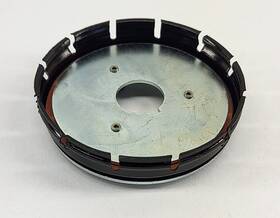
( Brand: Chevrolet ), ( Manufacturer Part Number: 47-3631 ), ( Color: Silver ), ( Material: Metal ), ( Vintage Part: Yes ), ( Type: Horn Contact Ring ), ( Oe/oem Part Number: 1947 1948 1949 1950 Chevrolet Pickup Suburban Thriftmaster ), ( Features: Horn Controls ), ( Universal Fitment: No ), ( Country Of Origin: Taiwan )
Review CHEVROLET And Gmc Truck Horn Contact Plate fits 1947–1953
The **Chevrolet/GMC Horn Contact Plate (Part #47-3631)** from the late 1940s and early 1950s is a critical yet often overlooked component that played a vital role in the electrical system of classic Chevrolet and GMC trucks, particularly the iconic **1947 1953 models** that defined an era of rugged American engineering. This small yet essential brass or copper-plated contact plate was designed to serve as the primary interface between the vehicle s horn relay and the horn itself, ensuring a reliable electrical connection that could withstand the vibrations, heat, and mechanical stress of daily use in demanding work environments. Crafted from durable metal with a smooth, polished finish, the contact plate was engineered to maintain a consistent and low-resistance connection, preventing intermittent horn operation a common frustration for early truck owners. Its design was simple yet functional, featuring a sturdy mounting tab for secure attachment to the horn relay assembly, while the contact surface itself was precision-machined to minimize wear and ensure a clean, uninterrupted flow of electrical current. Over time, however, exposure to corrosion, oxidation, or physical wear could degrade its performance, leading to erratic horn operation or complete failure a problem easily remedied by replacing this hardworking yet often neglected part. Whether restoring a vintage Chevrolet pickup, a GMC cargo truck, or a classic panel delivery van, sourcing an authentic **47-3631 contact plate** ensures that the electrical system functions as intended, preserving the integrity of the vehicle s original wiring and relay setup. For enthusiasts and mechanics alike, this part represents a small but meaningful detail that bridges the gap between vintage automotive design and modern reliability, embodying the practical ingenuity of an era when durability and simplicity were paramount.
### **Pros and Cons of Buying a 1947 1953 Chevrolet/GMC Horn Contact Plate**
The **Chevrolet/GMC horn contact plate** (also called the horn relay or horn switch assembly) is a critical component for vintage trucks from the late 1940s and early 1950s. Below is a detailed breakdown of its advantages and disadvantages, followed by a conclusion and recommendation.
---
### **Pros of Buying a Replacement Horn Contact Plate**
1. **Restores Original Functionality**
- Many vintage trucks from this era suffer from corroded or failing electrical connections, particularly in the horn circuit. A new contact plate ensures reliable horn operation, which is essential for safety and authenticity.
2. **Prevents Electrical Issues**
- The horn contact plate acts as a switch that completes the circuit when the horn button is pressed. A worn or oxidized plate can cause intermittent horn failure, false triggering, or complete inoperability. Replacing it eliminates these problems.
3. **Compatibility with Aftermarket Modifications**
- If you plan to install modern or aftermarket horns (such as electric horns for better sound quality), a new contact plate ensures proper integration with the truck s wiring.
4. **Prevents Further Electrical Damage**
- A failing contact plate can cause arcing or overheating in the wiring harness, potentially damaging other components. Replacing it early prevents secondary electrical issues.
5. **Aesthetic and Restorative Value**
- For restoration projects, a new or restored contact plate maintains the truck s original appearance while ensuring reliability. Many aftermarket suppliers offer reproduction parts that match the OEM design.
6. **Easier to Install Than Full Horn Relays**
- Unlike modern electronic horn relays, the vintage contact plate is a simple mechanical switch. Replacing it is a straightforward job that doesn t require extensive wiring modifications.
7. **Available from Specialty Suppliers**
- Reproduction parts are widely available from vendors specializing in classic Chevrolet and GMC restoration, ensuring you can find a high-quality replacement.
8. **Cost-Effective Repair**
- Compared to replacing the entire horn system or wiring, a contact plate is a relatively inexpensive fix (typically $20 $60 depending on source).
---
### **Cons of Buying a Replacement Horn Contact Plate**
1. **Potential for Counterfeit or Low-Quality Parts**
- Some aftermarket suppliers sell parts that are not properly manufactured, leading to premature failure or poor electrical contact. Buying from reputable vendors (such as **Classic Chevrolet Parts, Restoration Parts, or eBay sellers with verified feedback**) reduces this risk but doesn t eliminate it entirely.
2. **May Require Additional Wiring Adjustments**
- If the truck s wiring has degraded over time, simply replacing the contact plate may not solve all electrical issues. You might still need to clean or repair corroded connections in the wiring harness.
3. **Limited Availability of Original Parts**
- While reproductions exist, finding an **exact OEM replacement** (especially for rare variants) can be difficult. Some buyers prefer restored original parts for authenticity, which may require sourcing from junkyards or private sellers.
4. **Possible Compatibility Issues with Heavy Modifications**
- If the truck has undergone significant electrical modifications (e.g., modern lighting, aftermarket gauges, or heavy-duty wiring), the stock contact plate may not integrate perfectly. In such cases, a **modern electronic horn relay** might be a better long-term solution.
5. **Time-Consuming Installation for Non-Mechanics**
- While the job itself is simple, removing the old plate and ensuring proper alignment of the new one requires careful disassembly of the steering column or dash. Those unfamiliar with vintage truck electrical systems may struggle.
6. **Risk of Overlooking Underlying Issues**
- If the horn still doesn t work after replacement, the problem might be elsewhere (e.g., a blown fuse, bad ground, or faulty horn solenoid). A thorough electrical diagnostic is necessary to rule out other causes.
7. **Potential for Misalignment or False Triggers**
- If the new plate isn t seated correctly, it may not engage properly, leading to a weak horn or no response. Some buyers report that the contact points wear out quickly if not properly lubricated or adjusted.
8. **Limited Longevity in Harsh Conditions**
- While the plate itself is durable, exposure to moisture, vibration, and age can still cause wear. In extreme cases, it may need replacement again after several years of use.
---
### **Conclusion**
The **1947 1953 Chevrolet/GMC horn contact plate** is a **critical but straightforward** component to maintain or restore. The benefits **reliable horn operation, prevention of electrical issues, and ease of installation** far outweigh the drawbacks for most vintage truck owners. However, **buyers must ensure they obtain a high-quality replacement** and verify that no other electrical problems exist before assuming the plate is the sole issue.
For **restoration projects**, a new or restored contact plate is a **must-have** for authenticity and functionality. For **daily drivers**, it s a **cost-effective fix** that can prevent more expensive electrical repairs down the line.
---
### **Recommendation**
1. **Source the Part from a Reputable Supplier**
- Avoid generic eBay sellers; instead, purchase from **specialty restoration part vendors** (e.g., **Classic Chevrolet Parts, Restoration Parts, or known vintage truck forums**).
- If possible, opt for a **restored original part** if available, as it will have the best historical accuracy.
2. **Inspect the Wiring Before Replacement**
- Before installing a new plate, **clean all corroded connections** in the horn circuit and check for **broken wires or loose terminals**. This ensures the new plate has a proper foundation.
3. **Follow Proper Installation Steps**
- Disconnect the negative battery terminal before working.
- **Remove the old plate carefully** to avoid damaging the surrounding wiring.
- **Align the new plate correctly** misalignment can cause false triggers or weak horn operation.
- **Test the horn** after installation to confirm proper function.
4. **Consider a Modern Electronic Relay if Modifying the Truck**
- If the truck has **aftermarket electrical upgrades** (e.g., LED lights, modern gauges), a **modern electronic horn relay** may be more reliable in the long run, as it eliminates mechanical wear.
5. **Keep a Spare or Restore the Original**
- If restoring a classic truck, **preserve the original plate** (if functional) as a historical piece. Keep a **backup replacement** in case of future failure.
6. **Document the Repair**
- For restoration projects, **photograph the process** and note any adjustments made. This helps with future troubleshooting and adds to the truck s service history.
### **Final Verdict**
**Buy a replacement horn contact plate if:**- Your truck s horn is **intermittent, weak, or completely dead**.
- You re **restoring the truck** and want to maintain original functionality.
- You ve **ruled out other electrical issues** (fuses, grounds, horn solenoid).
**Avoid buying one if:**- You re **not confident in basic electrical work** and can t troubleshoot further issues.
- The truck has **extensive aftermarket modifications** that may conflict with the stock plate.
- You **can t find a reliable supplier** and risk purchasing a faulty part.
For most **1947 1953 Chevrolet/GMC owners**, replacing the horn contact plate is a **wise and necessary investment** that ensures reliable operation while preserving the truck s vintage character.
Details:
New Reproduction Steering wheel horn contact plate works on all 1947-1953 Chevy GMC 1/2 ton through 2 Ton with factory steering column.
part #: 473631 price
- $22.00
specifications steeringwheelsiiz:
- for makes: Gmc, Chevrolet
- for years: 1947-1953
- brand: Chevrolet
- mpn: 47-3631
- color: Silver
- material: Metal
- vintage part: Yes
- type: Horn Contact Ring
- oe/oem part number: 1947 1948 1949 1950 Chevrolet Pickup Suburban Thriftmaster
- features: Horn Controls
- universal fitment: No
- country of origin: Taiwan
general steeringwheelsiiz:
- condition: New
- Car Truck Parts Accessories > Interior Parts Accessories > Steering Wheels Horn Buttons
offer steeringwheelsiiz:
- availability: In Stock
- started: March 6, 2026
- quantity: 4
- sold: 0
- options: Ship-to-home
payments steeringwheelsiiz:
- other
- wallet: Google-pay
- credit card: Mastercard
returns steeringwheelsiiz:
- paid by: Seller
- policy: Returns Accepted
- time: 30 Days
seller steeringwheelsiiz:
- rating: 100.0%
- city: El Dorado, Kansas
- # reviews: 1994 1
shipping steeringwheelsiiz:
- service: USPS Ground Advantage
- transit: 4-10 Days
- carrier: USPS
- class: Standard
- cost: $6.10
- type: Fixed
Chevrolet 47-3631 Is Similar To:
- Gmc Genuine 10364488 Wheel Steering Chevrolet Oem (16.4% similar) Image not available for this item...(July 8th, 2014)
- 15255057 Gm Cadillac Chevrolet Gmc (21.8% similar) Electrical parts are not returnable. Parts must be resalable and in the original packaging. Shipping carrier substitutions may be made at our determination in an attempt to reduce cost the customer. Without wood trim, brushed...(March 31st, 2017)
- 16758242 Gmc Chevrolet Blazer Truck Jimmy Gray Leather Wrap Steering Wheel (28.9% similar) The leather wrap holds tight all around wheel. All of the stitching is in great shape and not frayed or missing anywhere except a little on couple outer raised edges. The mount splines of wheel and plastic surround housing are in very good shape...(August 7th, 2018)
- 17980712 Chevrolet Chevy Cavalier Two Spoke Steering Wheel Nos Horn Retainer (28.6% similar) Thanks and happy buying. One nos gm two spoke steering wheel horn pad retainer for use in Chevy cavalier. I only ship to the USA. This is the plastic insert that goes behind horn button pad rubber was sold separately from gm not included. See my other listings for more hard to find items...(March 6th, 2018)
- 17984553-4 Chevrolet Truck Suburban Tahoe Steering Wheel Horn Pad Cover (30.8% similar) Needs a good cleaning but in perfect condition...(March 26th, 2018)
- 179854772 Chevrolet Chevy Truck Van Steering Wheel Silverado Suburban Tahoe Gmc (25.6% similar) Was installed in a Sandra 94 Chevy truck van steering wheel Silverado suburban Tahoe gmc cap. Gmc cap has scratch. Condition is used. Back of steering wheel has marks. Pretty good shape...(April 5th, 2019)
- Euro Wheel Sport 3-spoke Chevy Pt Pad Chevrolet Horn Steering 17986700 Lumina (21% similar) All of the stitching is in good condition. Included is the original retainer nut, horn wire horn wire retainer. The foam faux leather wrap holds tight all around the wheel. The simulated leather has some wear marks present but is not ripped or torn. Up for sale is a factory gm, oem original, black 3...(December 9th, 2014)
- 19116057 Gmc Chevrolet Cadillac Gmc-chevrolet-cadillac (31.7% similar) Don't wait order today to take advantage of the best deals...(January 9th, 2018)
- 19301083 Gm Buick Chevrolet Gmc Cadillac Pontiac Saturn Hummer Genuine High (30% similar) Shipping carrier substitutions may be made at our determination in an attempt to reduce cost the customer. Tahoe, Yukon, Escalade. Silverado, sierra hybrid. Electrical parts are not returnable. Aura green line. Parts must be resalable and in the original packaging. Malibu, Malibu max. Malibu hybrid...(May 21st, 2018)
- Horn Prices Ring 1955 Chevrolet Belair (19.5% similar) Up for sale offer is a 1955 Chevrolet Blair horn ring in good condition with minor scratches and pits...(November 2nd, 2014)
- 2003200420505 Gmc Chevrolet Sierra Silverado Leather Steering Wheel Oem (23.1% similar) See picture for accurate condition. It does show some where usage, looks like probably had a cover on at one time. The foam does show some wear at three and 9 o clock mainly. Still has lots of use left in it. Probably why the leather is so nice on this one. This one is the leather wrapped type ...(June 2nd, 2018)