TOYOTA 10371E06R Steering Wheel Cruise Control
fits model: Camry. make: Toyota. year: 1997–2001.
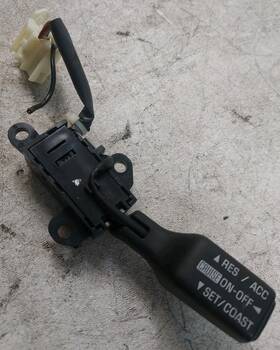
( Manufacturer Part Number: 10371E06R ), ( Type: Switch Assembly ), ( To Control: Cruise Control ), ( Manufacturer Warranty: 1 Month ), ( Color: Black ), ( Features: Durable ), ( Universal Fitment: No ), ( Placement On Vehicle: Steering Wheel )
Review TOYOTA Steering Wheel Mounted Cruise Control Assembly Oem fits CAMRY 1997–2001
The **Toyota 10371E06R Steering Wheel Cruise Control Assembly** (compatible with **1997 2001 Toyota Camry models**) is a high-quality, direct-fit replacement part designed to restore the seamless functionality of your vehicle s cruise control system when the original steering wheel assembly fails or becomes damaged. This meticulously engineered component integrates smoothly with the **1997 2001 Camry s** steering column, ensuring precise operation of the cruise control buttons typically located on the left side of the wheel while maintaining the vehicle s original aesthetic and ergonomic design. Crafted from durable, automotive-grade materials, this assembly features a robust, molded plastic housing reinforced with sturdy metal components to withstand the rigors of daily driving, including heat, moisture, and mechanical stress. The cruise control mechanism itself is calibrated to match Toyota s exact specifications, guaranteeing smooth engagement and disengagement of the system without unnecessary lag or resistance. Whether your original assembly suffered from wear-and-tear, a collision, or electrical failure, this replacement part provides a reliable, long-lasting solution that aligns with Toyota s reputation for reliability and performance. Installation is straightforward, requiring only basic tools and a moderate level of mechanical skill, as it is designed to snap or bolt directly into place, replacing the entire steering wheel assembly while preserving the integrity of the airbag system and other integrated components. For drivers seeking a seamless upgrade or a critical repair, this **10371E06R** assembly ensures that cruise control resumes operation with the same responsiveness and precision as the factory unit, enhancing both convenience and safety on the road.
### Pros and Cons of Buying a 1997 2001 Toyota Camry (10371E06R) with Steering Wheel Cruise Control
#### **Pros**
1. **Reliability and Durability**
The Toyota Camry from this era is widely regarded as one of the most dependable vehicles of its time. Toyota s reputation for longevity and low maintenance costs is well-established, and many of these models still run strong after decades. The 10371E06R chassis (typically paired with the 2.2L 4-cylinder or 3.0L V6 engine) is known for its solid construction and fewer major mechanical failures compared to some competitors.
2. **Steering Wheel Cruise Control (SWC)**
Steering wheel cruise control is a convenient feature that enhances driving comfort, especially on long highway trips. It allows for hands-free acceleration and deceleration without needing to reach for the stalk, which can be particularly useful in stop-and-go traffic or when adjusting speed frequently. This feature was relatively rare in economy sedans at the time, making it a desirable upgrade.
3. **Good Resale Value**
Toyota Camrys from this generation hold their value reasonably well, especially if the vehicle has been well-maintained. The 1997 2001 models are not as common as newer or older Camrys, but they still have a dedicated following among buyers looking for a reliable used car.
4. **Fuel Efficiency**
The 2.2L 4-cylinder engine (common in the LE and base trims) offers decent fuel economy, averaging around 22 26 mpg combined. While not as efficient as modern hybrids, it is more economical than many V6-powered sedans from the same era. The 3.0L V6 (found in higher trims like the XLE or Limited) is thirstier but still reasonable for its time.
5. **Comfortable Ride and Interior Quality**
The Camry s ride quality is smooth and well-balanced, with good road isolation and minimal body flex. The interior is spacious, with ample legroom and cargo capacity (up to 15.6 cubic feet behind the rear seats). The materials are solid for the time, with a focus on durability rather than luxury.
6. **Availability of Parts and Mechanics**
Toyota parts are widely available, and mechanics familiar with this model are common. The simplicity of the engine and transmission (especially the 4-speed automatic) makes repairs less complex and more affordable than on some other vehicles from the late '90s.
7. **Safety Features**
For its time, the Camry included standard safety features like dual front airbags, anti-lock brakes (on higher trims), and a sturdy frame. While modern safety tech (like advanced driver-assistance systems) is absent, the vehicle is still safer than many contemporaries due to Toyota s engineering standards.
8. **Low-Cost Maintenance**
Routine maintenance (oil changes, brake jobs, etc.) is inexpensive compared to modern vehicles. Major components like the engine, transmission, and suspension are known for lasting well with proper care. The 2.2L engine, in particular, is notorious for its durability.
9. **Versatility**
The Camry s size and practicality make it suitable for a variety of uses, from daily commuting to weekend trips. The availability of both 4-cylinder and V6 options allows buyers to choose based on their needs and budget.
10. **Classic Appeal**
For some buyers, the Camry s design particularly the 1997 2001 models has a nostalgic or classic appeal. The boxy yet functional styling is recognizable and may appeal to those who enjoy driving a well-known, reliable vehicle from the late '90s.
---
#### **Cons**
1. **Aging Technology and Comfort**
The interior lacks modern amenities such as Bluetooth, USB ports, or advanced infotainment systems. The climate control system, while functional, may feel outdated compared to today s standards. The seats, while comfortable, are not as supportive or ergonomic as modern designs.
2. **Rust Concerns**
Many Camrys from this era, especially those driven in snowy or salted-road climates, are prone to rust, particularly in the wheel wells, rocker panels, and undercarriage. A thorough inspection of the undercarriage and body panels is essential before purchasing.
3. **Transmission Issues (4-Speed Automatic)**
The 4-speed automatic transmission (common in the 2.2L models) is known to develop problems over time, such as rough shifting, delayed engagement, or complete failure. Some owners report that the transmission can become sluggish or require a rebuild. The 3.0L V6 models typically use a smoother 5-speed automatic, but even these can develop issues with age.
4. **Engine Wear**
The 2.2L 4-cylinder engine is robust but can develop carbon buildup in the intake valves over time, leading to rough idling or reduced performance. The 3.0L V6 is more powerful but can suffer from oil leaks (particularly from the valve cover gasket) and timing chain wear if not maintained properly. Regular valve adjustments (every 60,000 miles) were required on these engines, and neglecting this can lead to significant problems.
5. **Suspension and Handling**
While the Camry rides smoothly, the suspension is not as responsive or well-tuned as modern vehicles. Over time, bushings, shocks, and struts can wear out, leading to a less comfortable or predictable ride. The steering can feel heavy or imprecise compared to today s power-assisted systems.
6. **Electrical Gremlins**
Like many vehicles from the late '90s, the Camry can suffer from electrical issues, such as faulty sensors, intermittent wiring problems, or failing window regulators. The cruise control system (especially steering wheel cruise control) may also develop glitches or require recalibration over time.
7. **Limited Modern Safety Features**
The Camry lacks modern safety features such as stability control, traction control, side airbags, or advanced driver-assistance systems (e.g., lane-keeping assist, automatic emergency braking). While the vehicle is safe by its standards, it does not meet today s safety benchmarks.
8. **Noise and Vibration**
Some Camrys from this era develop wind noise, road noise, or vibration issues, particularly as seals and insulation degrade. The cabin can also feel less insulated than modern vehicles, leading to more ambient noise during highway driving.
9. **Fuel Economy Limitations**
While the 2.2L engine is fuel-efficient for its time, it is not as efficient as modern hybrids or turbocharged engines. The 3.0L V6, while powerful, consumes significantly more fuel. Gas prices today make even modest fuel economy a consideration.
10. **Depreciation and Market Value**
While the Camry holds its value reasonably well, it is not a high-demand vehicle in the used market. The presence of steering wheel cruise control may slightly increase its appeal, but it is not a feature that significantly boosts resale value.
11. **Limited Customization**
Unlike modern vehicles, the Camry from this era offers few options for customization or upgrades. Aftermarket parts and modifications are available but may not integrate as seamlessly as they do with newer models.
12. **Potential for Hidden Damage**
Due to its age, the vehicle may have hidden issues such as frame damage, seized components, or long-term wear on the drivetrain. A thorough pre-purchase inspection by a trusted mechanic is critical to avoid costly surprises.
---
### **Conclusion**
The 1997 2001 Toyota Camry (10371E06R) with steering wheel cruise control is a solid choice for buyers seeking a reliable, low-maintenance used vehicle. Its strengths lie in its durability, fuel efficiency (in the 2.2L model), and practicality, making it ideal for daily driving or commuting. The steering wheel cruise control adds a touch of convenience that was rare in economy sedans at the time.
However, the vehicle s age means it lacks modern comforts, safety features, and technological advancements. Rust, transmission issues (especially in the 4-speed automatic), and potential electrical gremlins are common concerns that require diligent maintenance. Buyers should prioritize vehicles with a clean service history, minimal rust, and no signs of major mechanical wear.
For those who prioritize reliability, simplicity, and low operating costs over modern amenities, the Camry remains a practical and dependable option. For buyers who want a vehicle with more advanced features, better safety, or a more engaging driving experience, a newer used or certified pre-owned vehicle may be a better fit.
---
### **Recommendation**
If you are considering purchasing a 1997 2001 Toyota Camry with steering wheel cruise control, follow these steps to maximize your chances of a good purchase:
1. **Inspect the Vehicle Thoroughly**
- Check for rust, particularly in the wheel wells, rocker panels, and undercarriage. Rust can compromise structural integrity.
- Test the transmission for smooth shifting, especially in the 4-speed automatic models. Listen for unusual noises or delays.
- Verify that all electrical components (windows, locks, cruise control) function properly. Test the steering wheel cruise control to ensure it operates without glitches.
- Inspect the engine for leaks, unusual noises, or excessive smoke. The 3.0L V6 is prone to oil leaks, so
Details:
This product is a crucial component for maintaining the functionality and convenience of cruise control feature in your Toyota Camry. The assembly is easy to install on the steering wheel, providing convenient control of cruise system while driving. The 1997 2001 Toyota Camry Steering Wheel Mounted Cruise Control Assembly OEM is a durable black switch assembly designed specifically for the cruise control feature in vehicles. It comes with a 1-month manufacturer warranty and is genuine OEM part, ensuring perfect fit reliable performance.
part #: 10371e06r price
- $24.35
specifications steeringwheelsiiz:
- for models: Camry
- for makes: Toyota
- for years: 1997-2001
- mpn: 10371e06r
- type: Switch Assembly
- to control: Cruise Control
- manufacturer warranty: 1 Month
- color: Black
- features: Durable
- universal fitment: No
- placement on vehicle: Steering Wheel
general steeringwheelsiiz:
- condition: Used
- Car Truck Parts Accessories > Interior Parts Accessories > Steering Wheels Horn Buttons
returns steeringwheelsiiz:
- time: 30 Days
- policy: Returns Accepted
- paid by: Buyer
offer steeringwheelsiiz:
- options: Ship-to-home
- quantity: 1
- availability: In Stock
- sold: 0
- started: January 31, 2026
shipping steeringwheelsiiz:
- service: USPS Ground Advantage
- transit: 4-7 Days
- carrier: USPS
- type: Fixed
- class: Standard
- cost: $0.00
seller steeringwheelsiiz:
- rating: 99.7%
- city: Pittsburgh, Pennsylvania
- # reviews: 2919
payments steeringwheelsiiz:
- wallet: Paypal
- other
- credit card: Diners-club
Toyota 10371E06R Is Similar To:
- Zk989swh144 166669321lkq Zk989swh144 Toyota 2006 Camry (23.2% similar) This listing is oem and has never been deployed...(February 24th, 2018)
- Zl802swh144 185584590lkq Toyota Camry Driver Steering Wheel Oem (42.2% similar) May fit other years and model's...(July 31st, 2018)
- 004015 4015 Toyota Camry Pitch Horn Assembly Oem (47.3% similar) Genuine parts original equipment manufacture part oem condition: this has been used in the past, damage, its not ready to install. Please, look at the pictures carefully. This is not new, could have minor broken tabs, scuff, scratches and even dents. Please feel free to contact me on for concerns, ...(July 10th, 2018)
- 01502032 Sparco Steering Wheel Hub For Toyota Supra (35.8% similar) Toyota supra aftermarket steering wheel hub...(March 16th, 2018)
- 107857614 102012513 08 09 10 Toyota Yaris Hatchback Steering Wheel W Airbag Air Bag Oem Lkq 02019v 58324 (34.2% similar) All used airbags are sold as is. Used airbags are not tested by to meet any safety standards...(April 23rd, 2016)
- 113514800 115336524 07 08 09 10 Toyota Camry Charcoal Leather Driver Wheel W Airbag Air Bag Oem Lkq 02016r 58346 (31.8% similar) This will fit toyota camry USA built, 3 spoke, 4 Cl, Perm...(November 5th, 2015)
- 120802810 120582871 2011 2012 2013 Toyota Corolla Leather Sport Steering Wheel With Air Bag Oem 58540 (38% similar) This listing is oem and has never been deployed...(January 7th, 2016)
- 121842701 121842228 2014 Toyota Corolla Leather Steering Wheel With Air Bag Oem 67609 (39.3% similar) This listing is oem and has never been deployed. Que Beck 5 GST 9...(February 28th, 2016)
- 129934221 02 03 04 05 06 Toyota Camry Leather Steering Wheel W Cruise Control Oem Lkq 02003n (53.7% similar) ...(July 15th, 2016)
- 130m22 Toyota Prius Steering Wheel Media Temp Telephone 12 (46.8% similar) Listing is only good while supplies last. Fitment is only guaranteed if we specify a part number. To inquire about specific shipping price, make sure to include full address to calculate the shipping cost. var item id address. Search var frame address. Basic auto dismantling 5537 bindery st. Please...(January 7th, 2016)
- 14130513 Aftermarket Products New Horn For Toyota Camry Avalon Lexus (23.8% similar) The items are brand new parts that look and fit same as original, except at a much better price...(May 2nd, 2018)